Accra, Ghana – May 28, 2025
The Minister for Trade, Agribusiness and Industry, Hon. Elizabeth Ofosu Agyare, has reiterated the government’s commitment to implementing its flagship 24-Hour Economy Policy, describing it as a bold vision for inclusive and sustainable economic transformation.
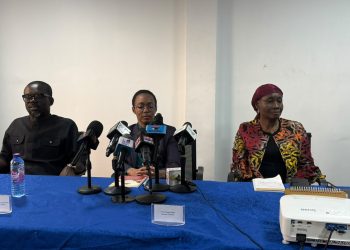
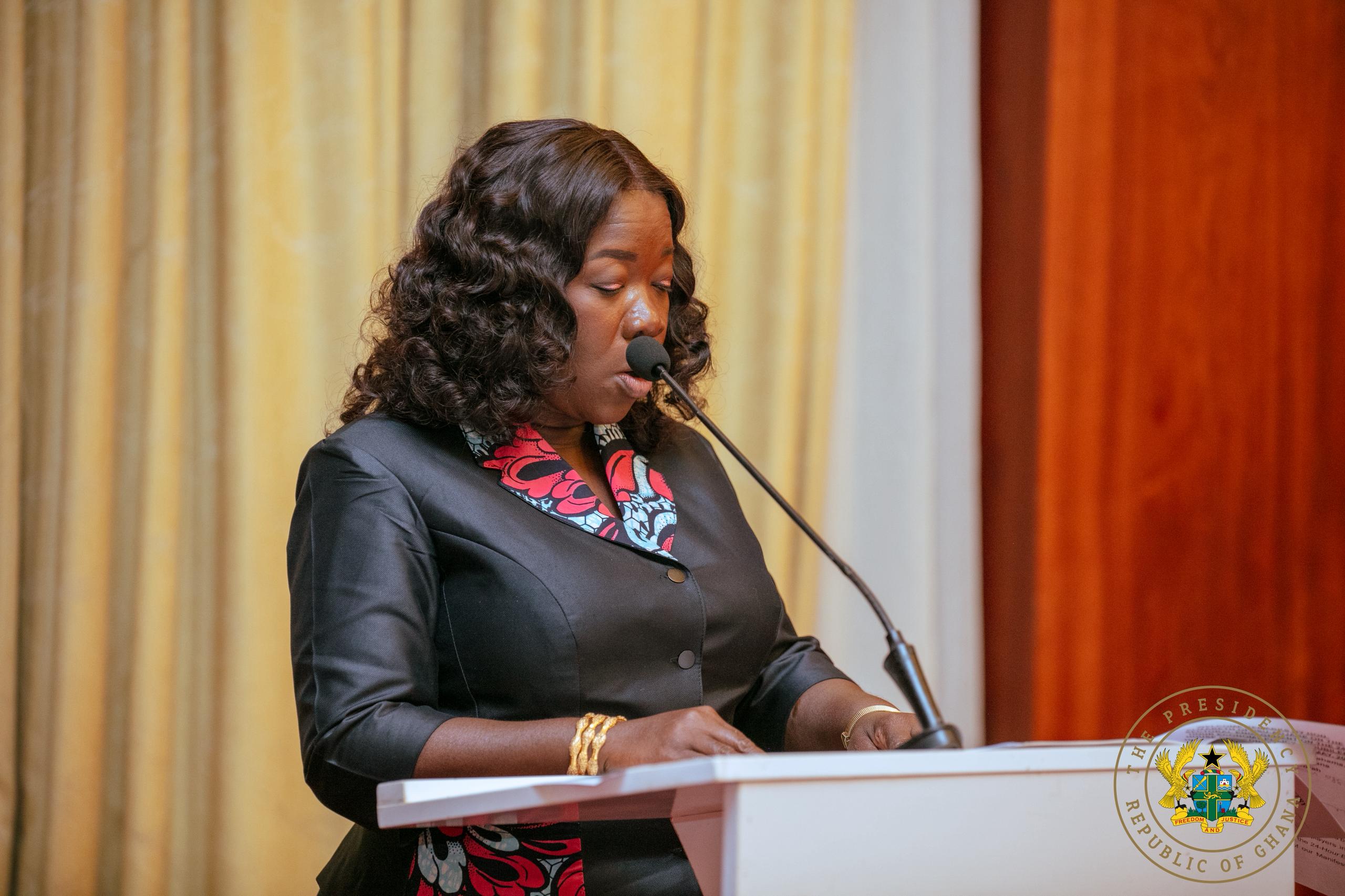
Speaking at a stakeholder engagement forum in Accra, the Minister highlighted the policy as more than a political promise, but a “strategic call to action” designed to reposition Ghana’s economy as dynamic, competitive, and future-ready.
“The 24-Hour Economy envisions a Ghana where productivity knows no bounds—where industries operate at full capacity across time zones, and where economic opportunity is not limited by the clock,” she stated.
According to Hon. Ofosu Agyare, the policy is anchored on several pillars, with manufacturing and agribusiness emerging as central sectors capable of unlocking jobs, boosting exports, and strengthening Ghana’s industrial base.
“By extending operations beyond traditional hours, we can increase efficiencies, raise output, and elevate Ghana’s position in global markets,” she noted.
The Minister emphasized that the implementation of the 24-Hour Economy will adopt a whole-of-government approach, ensuring collaboration among ministries, departments, and agencies for coherent and coordinated delivery.
She called on both public and private sector leaders to partner with government in driving key initiatives such as the Made in Ghana Policy, Feed the Industry, Rapid Industrialization for Jobs, and Agro-Processing for Expansion and Jobs.
“These initiatives are designed to support local enterprises, foster innovation, and transform Ghana into a hub for value-added manufacturing and technology-driven growth,” she said.
Hon. Ofosu Agyare also appealed to investors, entrepreneurs, and development partners to embrace the opportunity presented by the 24-Hour Economy Policy.
“The time to invest in Ghana is now. This policy offers not only a framework for continuous productivity but also a platform for sustainable job creation,” she urged.
She concluded by asserting that Ghana’s strategic location, youthful population, and untapped economic potential present an unmatched opportunity to build an economy that operates not only by day—but around the clock.