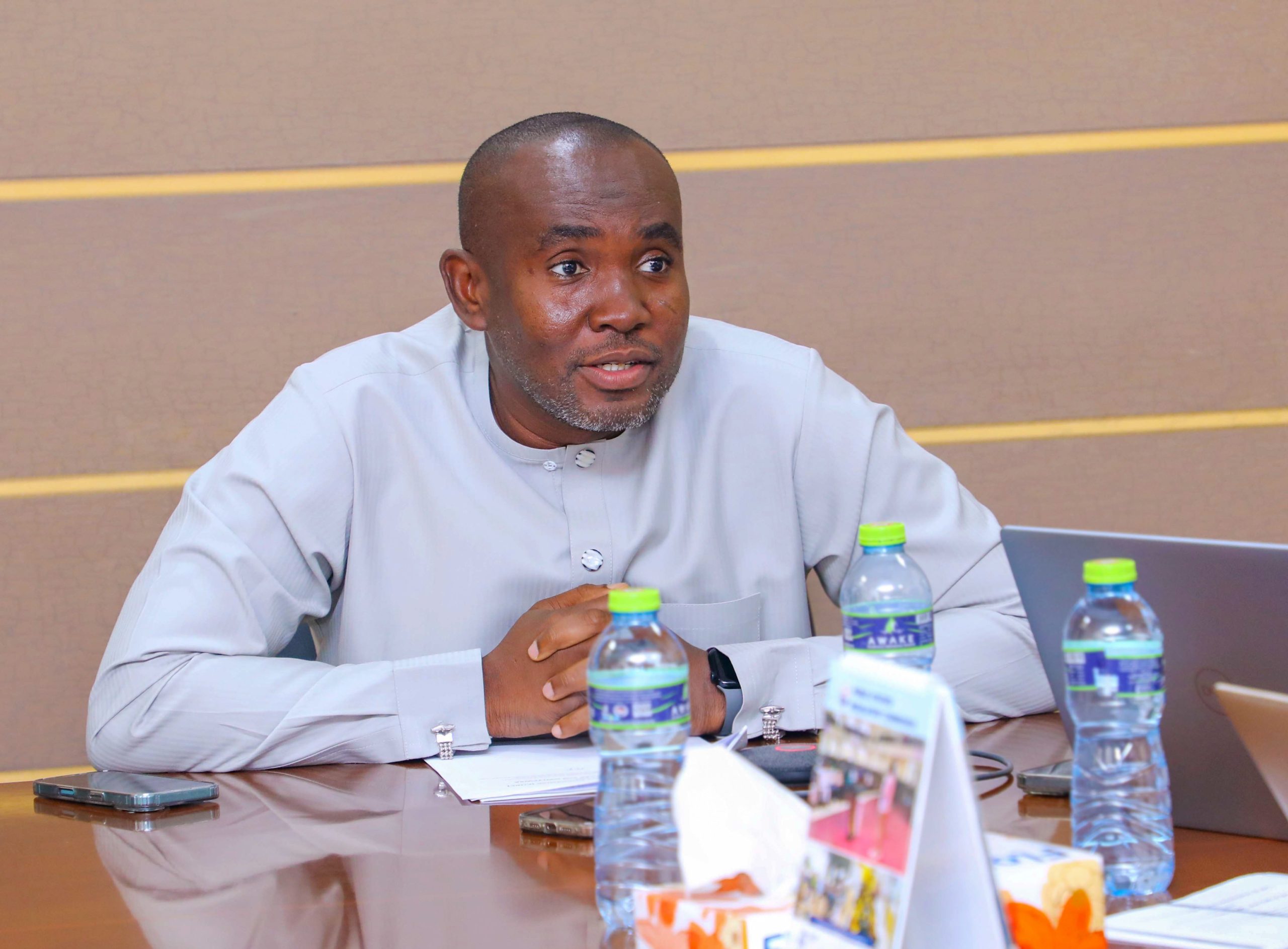
The Public Utilities Regulatory Commission (PURC) has maintained electricity and water tariffs at their current levels for the fourth quarter of 2026, providing consumers with a temporary reprieve from additional utility cost increases despite renewed pressure from inflation and the depreciation of the Ghana cedi.
The decision, announced on September 24, 2026, means electricity and water tariffs will remain unchanged from October 1 to December 31, 2026.
According to the Commission, the decision followed its quarterly tariff review, which assessed movements in the Ghana cedi-US dollar exchange rate, inflation, the electricity generation mix and the cost of natural gas used mainly by thermal power plants.
PURC said the quarterly review mechanism is intended to ensure that tariffs reflect changes in key operational variables while preserving the real value of tariffs and enabling utility service providers to remain financially viable.
Cedi weakens, inflation rises
The Commission’s assessment shows that the weighted average exchange rate used for the fourth quarter increased to GH¢11.5646 to US$1, compared with GH¢11.2228 to US$1 in the third quarter. This represents a 3.04% depreciation of the cedi against the US dollar over the review period.
Inflation also moved upward. PURC applied an average annual inflation rate of 4.97% for the fourth quarter, compared with 3.43% in the previous quarter.
Ordinarily, increases in the exchange rate and inflation could exert upward pressure on utility tariffs because the power sector relies heavily on imported inputs and foreign-currency-denominated costs. However, these pressures were partly offset by favourable movements in other variables considered by the regulator.
Natural gas cost falls, hydro contribution rises
PURC applied a weighted average cost of natural gas of US$7.8379 per MMBtu for the fourth quarter, down from US$7.9708 per MMBtu in the third quarter. The decline represents a downward adjustment of about 1.67% in the cost of natural gas.
The electricity generation mix also shifted in favour of hydroelectric power. Hydro generation is projected to account for 24.25% of the generation mix in the fourth quarter, up from 20.90% in the third quarter.
At the same time, the share of thermal generation is expected to decline from 79.10% to 75.75%. According to the Commission, the projected hydro contribution increased by approximately 16.03&, while the thermal share declined by about 4.24%.
The improved hydro-thermal generation mix, together with the reduction in natural gas costs, helped counterbalance the impact of the weaker cedi and higher inflation.
Electricity tariffs remain unchanged
After considering the combined effect of the exchange rate, inflation, natural gas prices and the generation mix, PURC decided that there would be no adjustment to electricity tariffs for the fourth quarter. The Commission’s tariff schedule shows a 0.00% change across the various electricity customer categories.
Under the approved rates, lifeline residential consumers using between zero and 30 kWh will continue to pay 89.9315 Ghana pesewas per kWh, with the applicable monthly service charge remaining at GH¢2.13.
Other residential customers consuming between zero and 300 kWh will continue to pay 203.7509 pesewas per kWh, while consumption above 300 kWh remains at 269.2235 pesewas per kWh. The monthly service charge for this category remains GH¢10.730886.
For non-residential consumers, the tariff remains 183.9549 pesewas per kWh for consumption between zero and 300 kWh, and 224.0395 pesewas per kWh for consumption above 300 kWh.
Tariffs for Special Load Tariff customers at low, medium and high voltage levels also remain unchanged.
Water tariffs also frozen
Water consumers will similarly see no tariff adjustment during the fourth quarter. PURC said its analysis of the relevant indicators did not justify a change in water tariffs, leaving the applicable rates at their third-quarter levels.
Residential lifeline consumers using between zero and five cubic metres will continue to pay 598.5381 pesewas per cubic metre, while residential consumption above five cubic metres remains at 1,058.9413 pesewas per cubic metre.
Non-residential users will continue to pay 1,791.5225 pesewas per cubic metre, while the commercial and industrial rate remains 3,205.1425 pesewas per cubic metre.
The rate for public institutions and government departments remains 1,538.4684 pesewas per cubic metre, while public standpipes will continue to attract 717.0618 pesewas per cubic metre.
Ports and harbours remain on a rate of 4,192.3264 pesewas per cubic metre, while bulk supply is maintained at 1,016.2738 pesewas per cubic metre.
PURC says quarterly reviews remain necessary
The Commission stressed that the quarterly tariff review remains important because some of the variables that influence utility costs are outside the control of electricity and water service providers.
PURC said the review mechanism is intended to respond to changes in such operational parameters while protecting consumers and ensuring that service providers remain financially sustainable.
The Commission also acknowledged concerns over the quality of utility services and said it would continue monitoring the operations of regulated service providers.
PURC said utilities would be held accountable to the Commission’s regulatory standards and benchmarks to ensure consumers receive value for money and improved service delivery.