“We are different countries, but we are saying the same things — just in different languages,” observed Sena Numbo, reporting from TICAD IX where over 40 African countries have gathered with Japan and global development partners to shape the future of Africa–Japan relations.
According to Sena, the core concerns echoed across the African delegations were youth unemployment, poor industrialisation, energy gaps, and a desire to move beyond talk to practical partnerships. He noted that while speeches were diverse, the themes remained universal: “We’re all trying to figure out how to move from where we are to where we need to be.”
Highlighting Ghana’s contributions, Sena confirmed that President Mahama was a co-chair of the summit and highly visible among Japanese stakeholders. “He seems to be someone the Japanese really like. They remember his previous partnership with Japan, especially around infrastructure like the Tema Interchange and Volivo Bridge,” Sena shared.
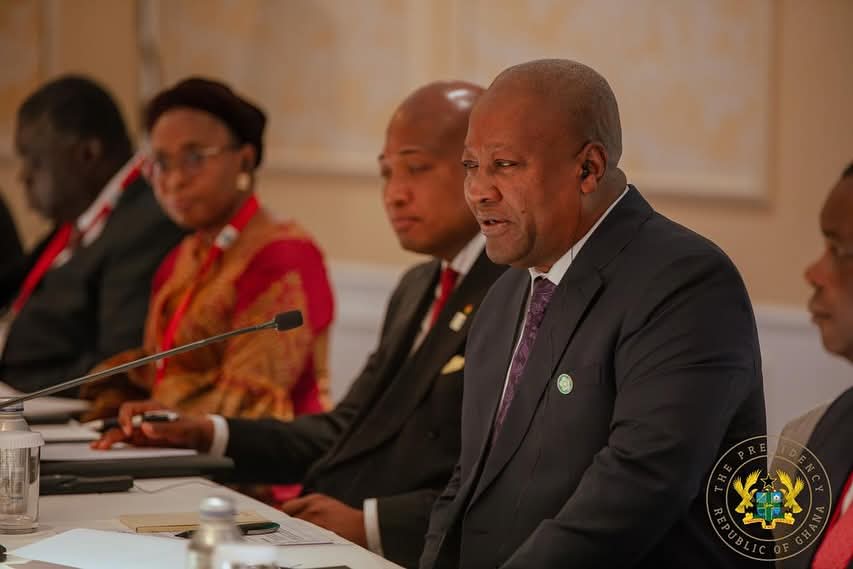
Beyond speeches, President Mahama also participated in panel discussions on youth unemployment, warning that the continent’s youth could either be its greatest asset or its biggest crisis. He urged governments to create space for startups, ease regulatory burdens, and open economies to private sector-driven growth.
“Businesses in Ghana die very early. Most don’t make it past two years. We need to open up and build the environment,” Sena re-echoed President Mahama’s sentiment.
Sena believes the Japanese are cautiously optimistic. “They’re interested, but they want convincing. They’re looking for solid partnerships, not charity. For them, infrastructure is key, if you don’t fix that, forget digitalisation,” he added.