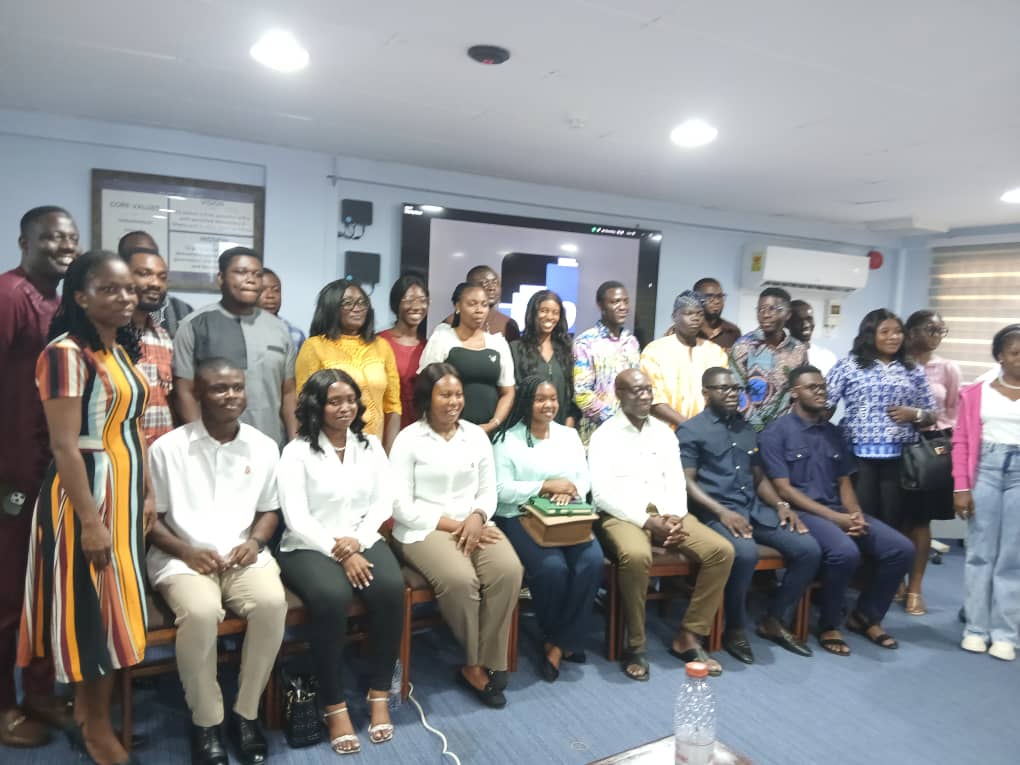
In the vast architecture of academic freedom, students form a central pillar yet their rights are often unrecognized or underappreciated. This was the message from Professor Kwadwo Appiagyei-Atua at a training workshop for student union leaders organized by the Africa Coalition for Academic Freedom.
Speaking at the event, Professor Appiagyei-Atua, an Associate Professor at the School of Law, University of Ghana, Legon, emphasized the unique and essential role students play in the academic community, alongside faculty and university management.
While academic freedom is typically associated with institutional autonomy and the rights of academics, he stressed that students are equally entitled to this freedom, particularly in their roles as learners and co-creators of knowledge.
“As members of the university community, students are entitled to more than just general civil rights they deserve academic freedoms tailored to their roles,” he said.
He explained that student academic freedom is expressed in multiple relationships:
With the state, which has the responsibility to provide adequate learning environments, including accessible facilities and instructors, especially for students with disabilities.
With academics, where classroom power dynamics should foster mutual respect and allow students to participate actively in knowledge creation.
With university management, which is obligated to ensure that lecturers fulfill their duties and student complaints are addressed fairly and transparently.
Despite these frameworks, Professor Appiagyei-Atua noted that students continue to face substantial challenges chief among them, political interference in student politics.
“Associations like TESCON and TEIN, affiliated with national political parties, have skewed student leadership toward partisan interests rather than the welfare of the student body,” he said. “As a result, many student leaders prioritize external political agendas over campus concerns.”
This interference, he warned, undermines independent student representation and stifles critical thinking, reducing students to passive recipients of instruction—contrary to the goals of modern education.
The workshop brought together student unions including the Graduate Students’ Association of Ghana (GRASAG), Ghana Union of Professional Students (GUPS), Ghana National Union of Technical Students (GNUTS), Private Universities Students Association of Ghana (PUSAG), National Health Students’ Association of Ghana (NAHSAG), and the National Union of Ghana Students (NUGS).
Students who spoke to the media expressed gratitude to the Africa Coalition for Academic Freedom for organizing the training. They called for more such initiatives to help students better understand their rights and responsibilities within the academic space.
Professor Appiagyei-Atua also highlighted a paradox in student representation. Although students have gained seats on university governing councils and boards, these roles often remain symbolic.
He urges stakeholders in higher education to expand the conversation on academic freedom to include the student perspective.
For universities to truly flourish as spaces of learning and innovation, students must be empowered not only as learners but as equal participants in shaping academic culture and governance.
Story by Osman Issah Abadoo