President John Dramani Mahama has announced the establishment of three international panels to steer the next phase of the global reparatory justice movement following the adoption of the landmark United Nations resolution recognizing the trafficking of enslaved Africans as a grave crime against humanity.
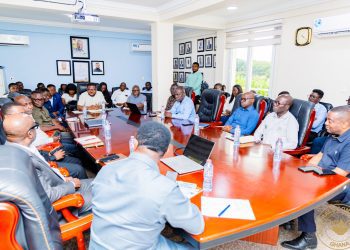
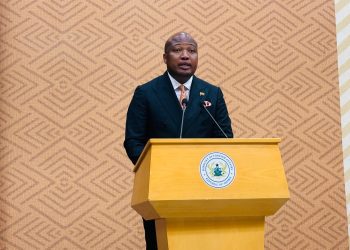
The announcement was made during the High-Level Consultative Conference on the Next Steps Following the United Nations resolution on the trafficking of enslaved Africans, currently underway in Accra.
According to President Mahama, the three panels will serve as key pillars in advancing international efforts toward truth-telling, restitution, accountability, and reparative justice.
The first body, the Global Advisory Panel on Reparatory Justice, will comprise heads of state, government leaders, eminent personalities, and influential public figures tasked with providing strategic leadership and guidance for the global reparations agenda.
The second, the Expert Panel on the Restitution of Cultural Artefacts, will focus on supporting the return of cultural property, historical archives, sacred objects, and other heritage treasures taken from African communities and dispersed across the world during the eras of slavery and colonialism.
The third, the Global Legal Panel on Reparatory Justice, will bring together distinguished jurists, legal scholars, and experts in international law to examine legal pathways for advancing reparatory justice while upholding principles of human dignity, accountability, and international legal standards.
President Mahama indicated that the CARICOM Ten-Point Plan for Reparatory Justice would serve as an important foundation for the work of the three panels, helping to shape practical recommendations and coordinated international action.
He emphasized that the adoption of the UN resolution was never intended to mark the end of the journey but rather the beginning of a broader process aimed at addressing the enduring consequences of slavery and colonial exploitation.
The President said the work of the panels would contribute to developing a practical international roadmap focused on research, education, memorialization, restitution of cultural heritage, legal redress, and stronger engagement between Africa and its diaspora.
“The adoption of the resolution was never intended to mark the end of the journey. It was intended to provide the foundation for a more meaningful process of engagement, reflection, and action,” President Mahama stated.
The establishment of the three panels marks a significant step in translating international recognition of historical injustices into concrete mechanisms for dialogue, accountability, and restorative justice on a global scale.
Story: Patrick Asford Boadu