The government has intensified efforts to improve public safety and strengthen the security of cash transportation across the country with the rollout of new regulations and standards governing the importation, retrofitting, deployment and decommissioning of Armored Bullion Vehicles (ABVs).
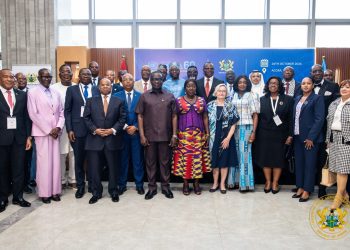
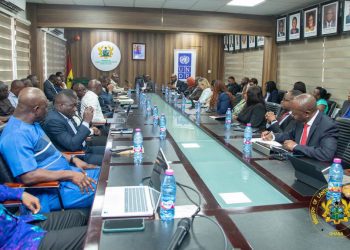
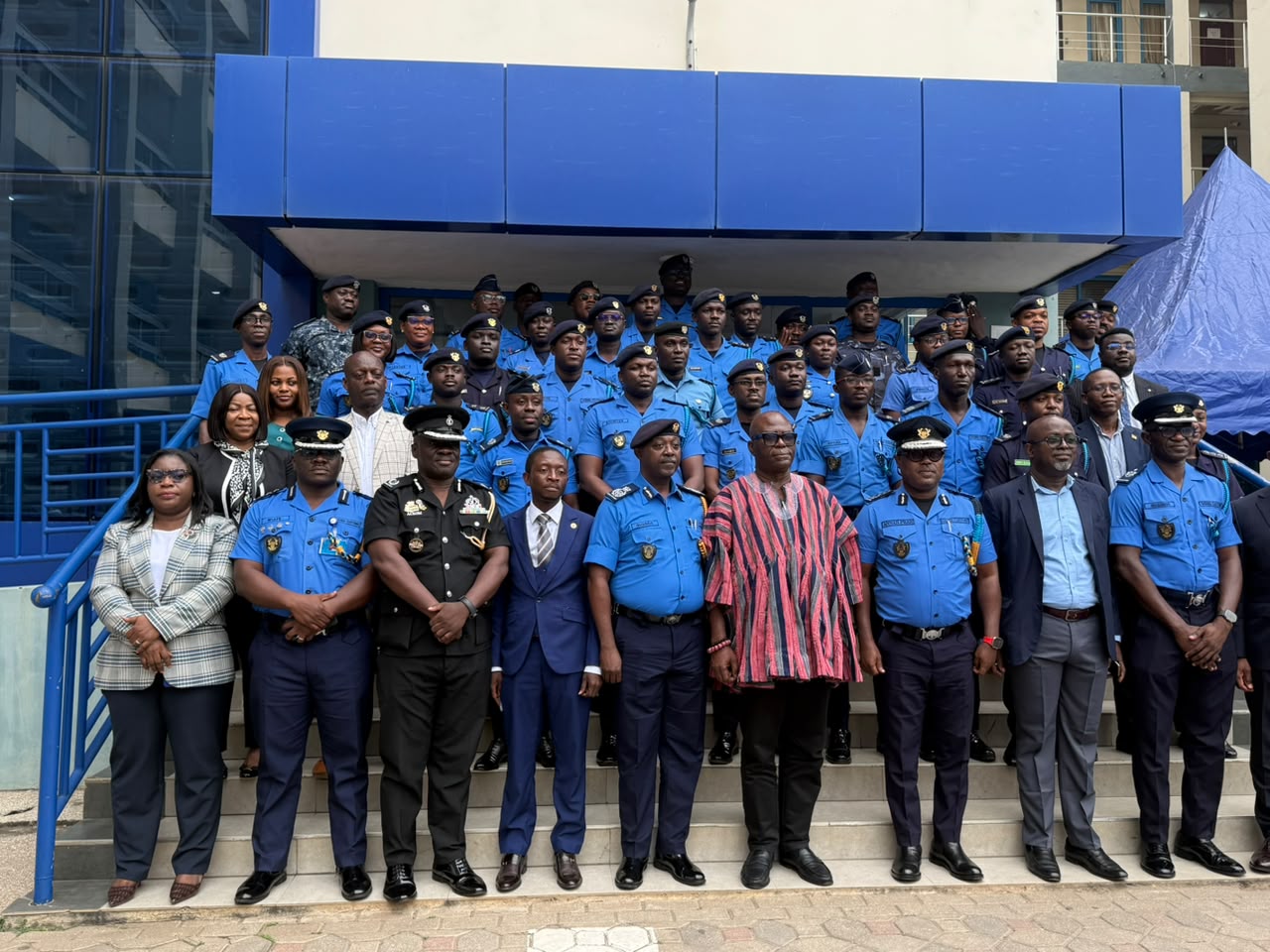
The initiative, spearheaded by the Ministry of the Interior in collaboration with the Ghana Revenue Authority (GRA), the Bank of Ghana, the Ghana Police Service and other key stakeholders, was unveiled at a national workshop aimed at sensitizing enforcement agencies and industry players on the new regulatory framework.
Speaking on behalf of the Minister for the Interior, Deputy Minister Hon. Ebenezer Okletey Terlabi said the move forms part of government’s broader strategy to safeguard lives, protect financial assets and curb violent attacks on cash-in-transit operations.
He noted that armored bullion vehicles play a critical role in Ghana’s financial sector and stressed the need for stricter oversight to eliminate the use of improperly retrofitted vehicles, commonly referred to as “soft-skin” vehicles, which have been linked to a number of successful armed robberies in recent years.
“Armored bullion vehicles are essential to protecting lives and assets. Effective regulation requires collaboration among all institutions involved, including customs officials, the police, the Bank of Ghana, the DVLA, financial institutions, private security companies and retrofitting firms,” he stated.
The Deputy Minister urged customs officers and other frontline agencies to enforce the new standards diligently and professionally. He also warned against the unauthorized importation of security equipment such as stun devices, tear gas and ballistic gear, emphasizing that such items must receive the necessary ministerial approvals before entering the country.
Under the new framework, all armored bullion vehicles imported, retrofitted or deployed in Ghana will be required to meet prescribed technical and safety standards. Customs officers have been empowered to verify vehicle specifications, certifications and documentation at points of entry and to seize prohibited security equipment imported without authorization.
The workshop further highlighted the importance of information sharing and coordinated enforcement among state institutions, with facilitators from the Ministry of the Interior, the Bank of Ghana and the Ghana Police Service providing technical guidance to officers responsible for implementation.
In a his welcome address, Deputy Commissioner for Post Clearance Audit at the GRA Customs Division, Alphonse Qauinoo, assured stakeholders that stringent enforcement measures would accompany the policy’s implementation.
According to him, the Commissioner of Customs will soon issue directives to all customs stations and border posts nationwide to ensure full compliance with the new regulations.
“When these policies come into effect, the Commissioner will issue directives to all stations and border points, and we will ensure that everybody complies with those directives to the letter,” Mr. Qauinoo said.
He explained that customs officials will rely on permit documentation and vehicle identification details, including chassis numbers, to verify and track armored bullion vehicles entering the country. This, he said, will ensure that only approved and properly documented vehicles are allowed into Ghana.
Mr. Qauinoo also underscored the importance of public vigilance, encouraging citizens to report any suspicious activities involving armored bullion vehicles or security-related imports to customs authorities or any of the partner institutions involved in the initiative.
While acknowledging challenges posed by porous borders, he assured stakeholders that customs officials would work closely with the Ministry of the Interior, the Bank of Ghana and the Ghana Police Service to prevent unauthorized vehicles and security equipment from entering the country.
The strengthened regulatory regime is expected to improve inspection, certification and compliance procedures throughout the lifecycle of armored bullion vehicles, from importation and deployment to maintenance and eventual decommissioning.
Officials say the initiative reflects government’s commitment to enhancing national security, protecting financial institutions, reducing armed robbery risks and ensuring that armored bullion vehicles operating in Ghana meet internationally accepted safety standards.
The Ministry of the Interior expressed appreciation to the Bank of Ghana, the Ghana Revenue Authority and all participating institutions for their support and reiterated its commitment to sustained collaboration in implementing the new standards nationwide.
Story by Osman Issah Abadoo