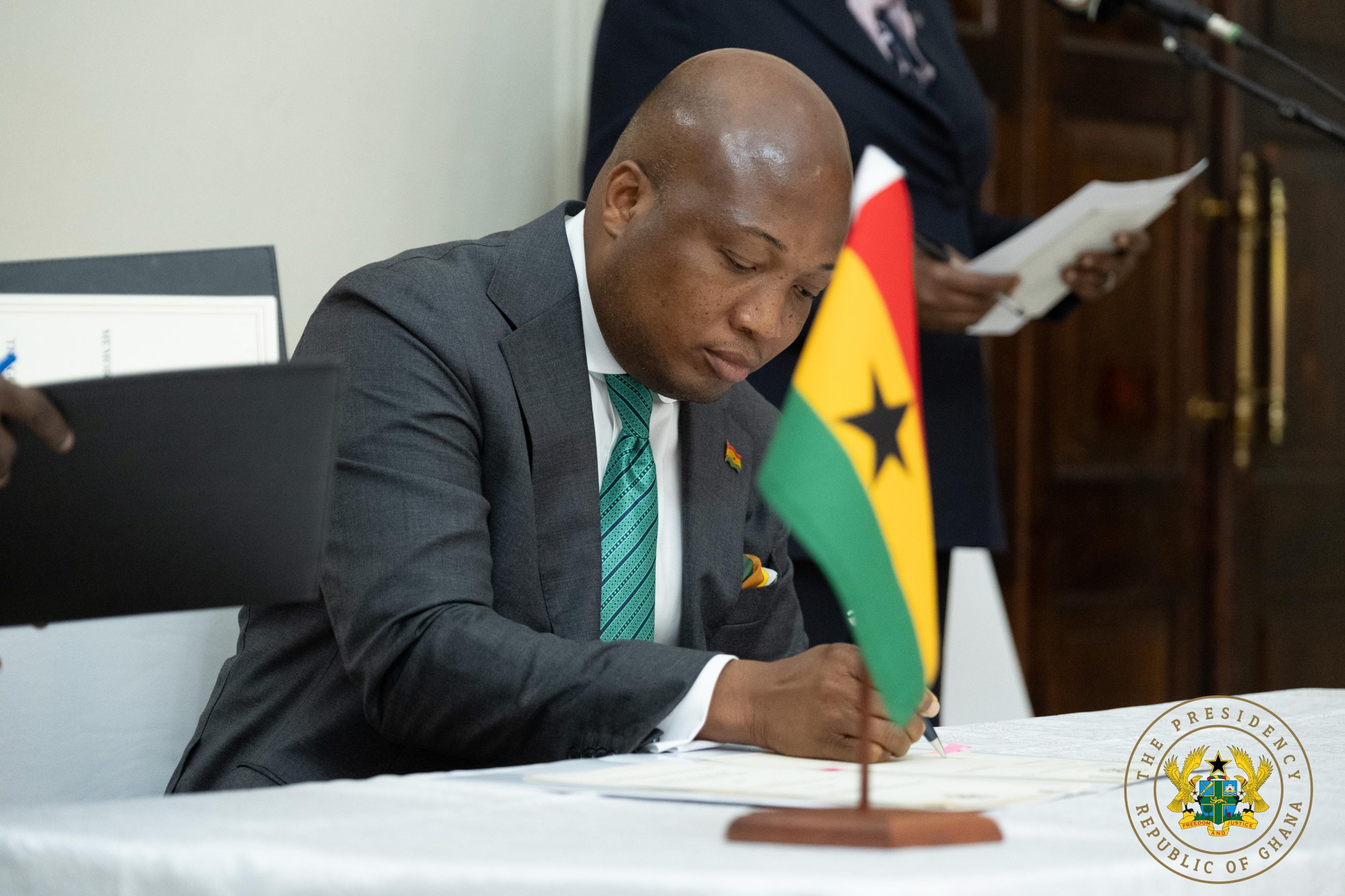
Ghana’s Minister of Foreign Affairs, Mr. Samuel Okudzeto Ablakwa, has called on business leaders and FinTech innovators from Ghana and Zambia to move beyond ceremony and rhetoric and deliver tangible results that advance industrialisation, job creation, and prosperity across Africa.
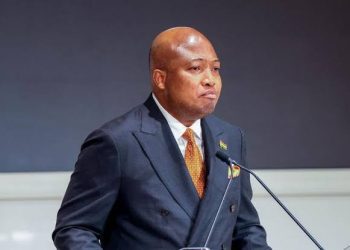
Speaking at the Ghana–Zambia Business Dialogue in Lusaka, Mr. Ablakwa said the engagement must mark a turning point in strengthening intra-African trade and translating Pan-African ideals into practical economic outcomes.
“Our two Presidents are not interested in talk or ceremonies; they want results,” the Foreign Minister stated. “They want real impact—impact measured by industrialisation, job creation, and the prosperity of our people.”
Mr. Ablakwa highlighted the historical bonds between Ghana and Zambia, tracing their shared Pan-African roots to the founding leaders of both nations.
He recalled that Ghana was the first African country to recognise Zambia’s independence in 1964, noting that the relationship between Osagyefo Dr. Kwame Nkrumah and Zambia’s founding President, Dr. Kenneth Kaunda, laid the foundation for enduring bilateral cooperation.
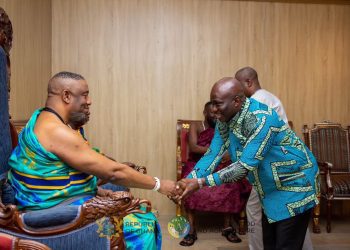
Touching on cultural identity, the Minister drew attention to President John Dramani Mahama’s choice of traditional attire during the visit, describing it as a powerful symbol of Africa’s cultural renaissance.
“When we talk about restitution and reparations, it is not only about compensation for the transatlantic slave trade,” Mr. Ablakwa said.
“It is also about a conscious mental effort to reclaim our African identity, dignity, and traditions that were deliberately taken away from us.”
He explained that the fugu—popularised during the visit—was the same attire worn by Dr. Kwame Nkrumah when he declared Ghana’s independence on 6 March 1957, an occasion on which the founding President famously declared that Ghana’s independence was meaningless unless linked to the total liberation of Africa.
Mr. Ablakwa challenged FinTech companies and private sector players to harness technology and logistics to promote the trade of African-made products across borders.
“As the fugu becomes one of the most talked-about attires in Zambia today, it would be inspiring to see FinTechs partner our young and enterprising fugu makers to move these products from Ghana to Zambia and across the continent,” he said.
The Foreign Minister reaffirmed Ghana’s commitment to continental trade integration, pointing to the country’s role as host of the African Continental Free Trade Area (AfCFTA) Secretariat. He described AfCFTA as the realisation of the long-held vision of Africa’s founding fathers.
“We are talking about a market of about 1.3 billion people with a combined GDP of over 1.4 trillion dollars,” Mr. Ablakwa noted.
“Yet intra-African trade remains below 20 per cent—the lowest among all continents. This must change.”
He expressed optimism that the Ghana–Zambia Business Dialogue would help reverse that trend and unlock new opportunities for collaboration between the two economies.
“The Almighty has blessed this continent and blessed our two countries with abundant resources,” he said. “The time for value addition is now, and the time to ensure that Africa’s resources serve African people is now.”
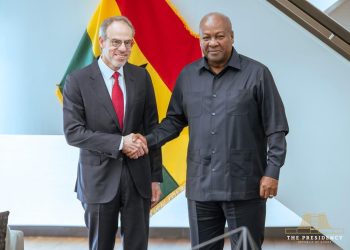
Mr. Ablakwa concluded by reaffirming Ghana’s appreciation for Zambia’s hospitality and solidarity, conveying President Mahama’s gratitude to President Hakainde Hichilema and the people of Zambia.
“Out of Lusaka will emerge the new Africa we all want to see,” he said. “May Ghana–Zambia relations continue to grow stronger and better.”
Story: Patrick Asford Boadu