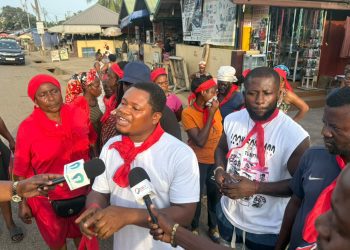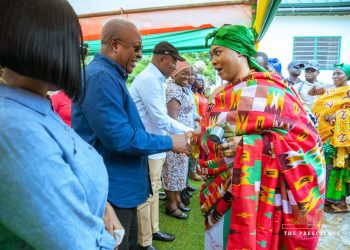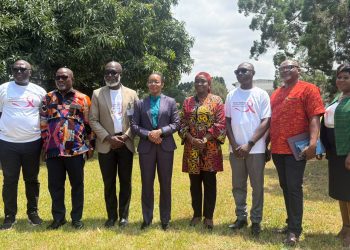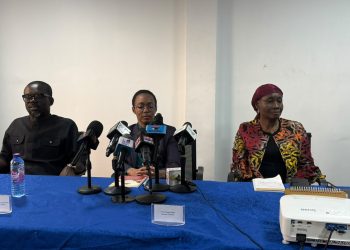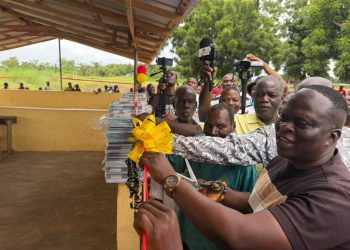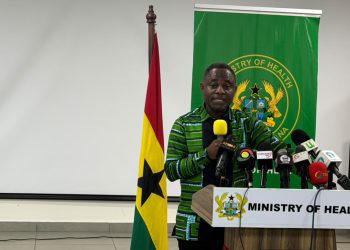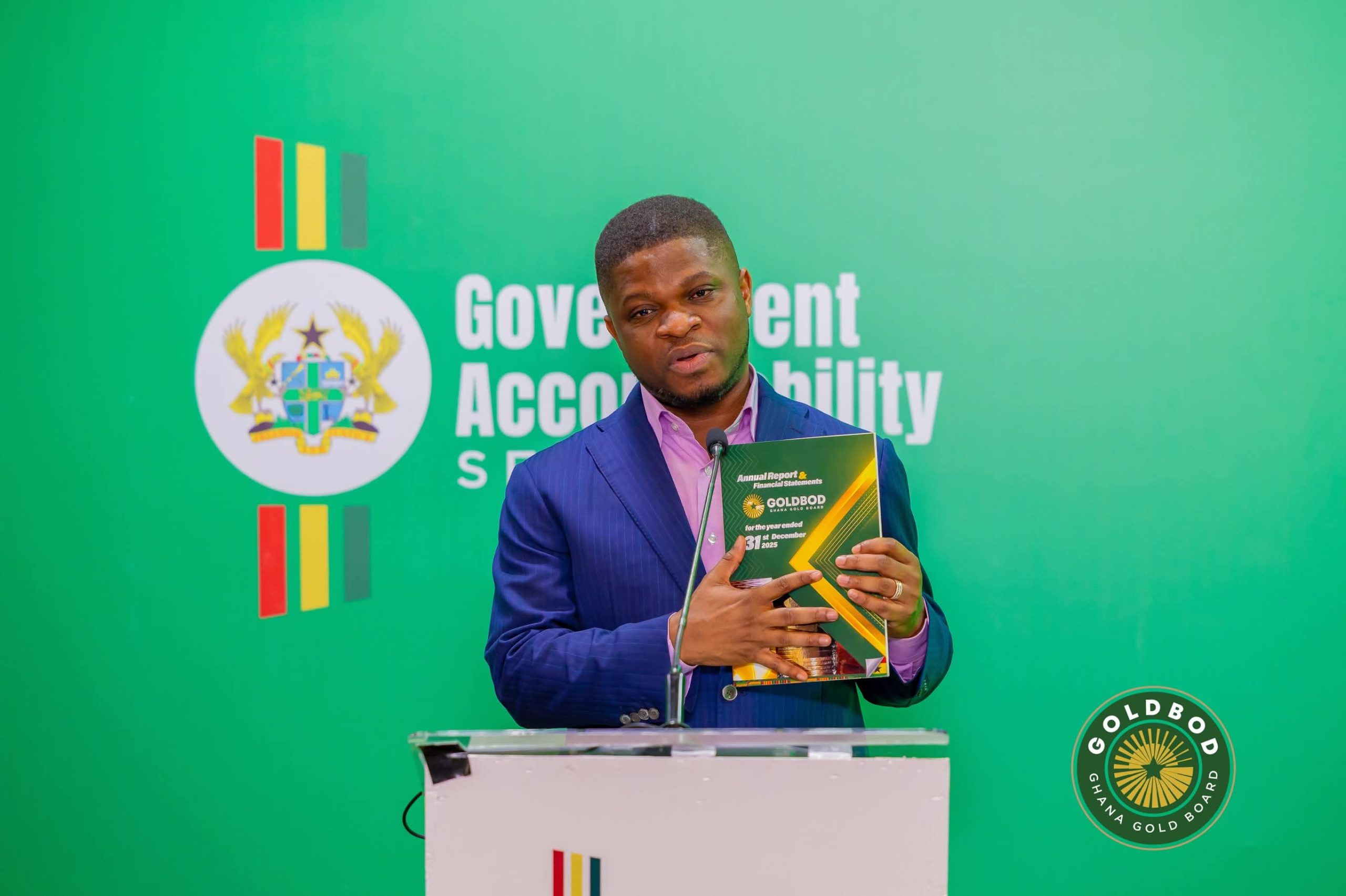
Dr. Edem Segbefia, Aspiring National Vice Chairman of the National Democratic Congress (NDC), during an interactive engagement with NDC grassroots in the Eastern Region as part of his nationwide outreach to change the narrative.
Comrades, I bring you warm greetings and a message of hope from the transformational work being undertaken by His Excellency President John Dramani Mahama and the NDC Government to rebuild Ghana’s economy and restore confidence in our natural-resource sectors.
Today, I want us to focus particularly on the Ghanaian gold sector, an industry that has enormous potential to generate revenue, strengthen our foreign-exchange position, create jobs and support sustainable national development.
Before the NDC Government returned to power, Ghana’s gold-trading sector was confronted with serious challenges, including gold smuggling, revenue leakages, inadequate regulation of small-scale mining, weak foreign-exchange reserves, unfair pricing for small-scale miners, limited value addition and an opaque trading system.
The establishment of the Ghana Gold Board (GoldBod) represents a major policy intervention designed to change this situation.
GOLDBOD: PUTTING GHANA IN CONTROL OF ITS GOLD
Under President John Dramani Mahama, GoldBod has been positioned as the state institution responsible for the purchase, assaying, aggregation and export of gold from Ghana’s artisanal and small-scale mining sector.
The objective is clear: Ghana’s gold must work for Ghana and for the Ghanaian people.
GoldBod is intended to:
Serve as the sole state buyer and exporter of gold from the small-scale sector.
Reduce gold smuggling and associated revenue leakages.
Keep more foreign exchange within Ghana.
Provide small-scale miners with transparent and competitive pricing.
Introduce stronger traceability mechanisms.
Formalise and regulate the small-scale mining value chain.
Strengthen Ghana’s gold reserves.
Support foreign-exchange and macroeconomic stability.
Create opportunities for local refining and greater value addition.
For years, Ghana produced gold on a massive scale, yet too much of the value escaped through informal channels. We cannot continue with a system where Ghana produces the resource but other people capture most of its economic benefits.
FROM GOLD LEAVING THROUGH THE BACK DOOR TO GOLD WORKING FOR GHANA
Comrades, this is the narrative we must take to the grassroots and to the Ghanaian people.
The GoldBod framework seeks to bring the gold trade into a more formal, regulated and accountable system.
With improved traceability, Ghana can increasingly know where its gold comes from, who produced it and how it moves through the value chain.
That is important not only for revenue mobilisation but also for the fight against illegal mining.
When miners receive a transparent and competitive price through a formal market, the incentive to sell through illegal channels and smugglers can be reduced.
The objective is therefore bigger than gold trading.
It is about economic sovereignty.
It is about ensuring that Ghana’s natural resources contribute directly to the strength of the cedi, our foreign-exchange position, employment creation and national development.
BUILDING GOLD RESERVES FOR ECONOMIC STABILITY
The domestic gold purchase programme has also been presented as an important component of Ghana’s strategy to build reserves.
The reported increase in Ghana’s gold reserves from approximately 31 tonnes to about 38 tonnes under the current framework demonstrates the importance of using Ghana’s own natural resources to strengthen the country’s reserve position.
More gold retained domestically can provide additional backing for the Bank of Ghana’s reserve-management strategy and reduce excessive dependence on external sources of foreign exchange.
This is why we must communicate the broader vision:
Gold for Reserves.
Gold for Forex.
Gold for Jobs.
Gold for Ghana.
GIVING SMALL-SCALE MINERS A FAIRER DEAL
For many years, small-scale miners have operated within a market where middlemen and informal buyers could determine prices and capture significant margins.
GoldBod seeks to change this by creating a more formal purchasing structure through which miners can receive competitive prices and participate in a regulated value chain.
This has the potential to discourage smuggling while bringing more transactions into the formal economy.
But our work must not end with buying and exporting gold.
We must increasingly move toward local refining, value addition and the development of a complete Ghanaian gold value chain so that more of the wealth generated from our mineral resources remains in the country.
THE DOMESTIC GOLD PURCHASE PROGRAMME AND THE QUESTION OF LOSSES
Comrades, we must also be prepared to have an honest conversation about the previous implementation of the Domestic Gold Purchase Programme (DGPP) and reported financial losses associated with it.
The key question is not whether Ghana should use gold to strengthen its reserves. We absolutely should.
The question is whether the model used to purchase and monetise the gold was sufficiently efficient, transparent and financially sustainable.
Critics of the previous arrangement have argued that the Bank of Ghana purchased gold from aggregators at premiums above international spot prices while subsequently selling foreign exchange at interbank rates, creating a structural mismatch that could generate significant losses.
Reports and political commentary have cited substantial losses associated with the programme. These claims must, however, be subjected to proper accounting scrutiny, independent verification and transparent public reporting.
We must demand answers on issues such as:
The actual cost at which gold was purchased.
The pricing formula used.
Aggregator fees and commissions.
Foreign-exchange arrangements.
Hedging mechanisms.
The basis for selecting aggregators.
Beneficial ownership and corporate relationships.
The quantity and quality of gold purchased.
The traceability of the gold.
The precise accounting treatment of the reported losses.
The findings of any independent audit.
These are legitimate questions in the public interest.
LESSONS FOR THE FUTURE
The experience of the DGPP teaches us that a strategic national programme must have strong governance, transparent pricing, effective risk management and clear accountability.
A reserve-building programme should ultimately strengthen the nation’s balance sheet rather than expose the state to unnecessary trading and foreign-exchange risks.
We should therefore support reforms that ensure
Transparency.
Accountability.
Traceability.
Value for money.
Strong risk management.
Independent oversight.
This is how we protect public resources.
THE GRASSROOTS MUST CHANGE THE NARRATIVE
Comrades, our responsibility is not simply to defend government policies.
Our responsibility is to understand them, communicate them honestly and ensure that the people understand how these policies are intended to improve their lives.
Let us tell the people that Ghana’s gold must no longer leave the country through the back door.
Let us tell the small-scale miners that they deserve a formal market and a fair price.
Let us tell the youth that a properly structured gold value chain can create jobs beyond mining — in assaying, refining, transportation, technology, manufacturing, finance and other supporting industries.
Let us tell the Ghanaian people that our natural resources must finance our development.
And let us demand accountability wherever public resources are involved.
The establishment and strengthening of GoldBod is part of a broader effort to give Ghana greater control over its gold resources and ensure that the benefits of our mineral wealth are captured more effectively for national development.
Comrades, let us be proud.
Let us mobilise.
Let us educate the people.
Let us change the narrative.
Let us protect the gains.
And let us remain committed to building a stronger Ghana.
The message is simple:
OUR GOLD MUST WORK FOR THE PEOPLE.
MAHAMA CARES. GOLDBOD DELIVERS.
NDC — GOLD FOR THE PEOPLE!
Story: Patrick Asford Boadu