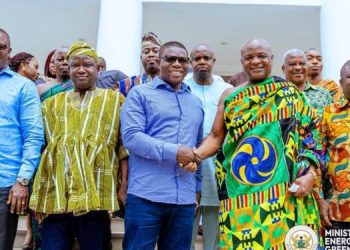
The Ghana Atomic Energy Commission (GAEC) has highlighted the contribution of nuclear science and related technologies to healthcare, agriculture, radiation safety and scientific development in Ghana.
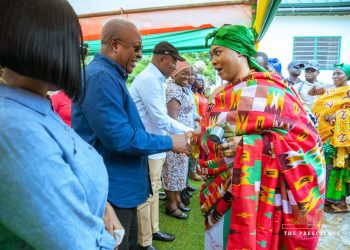
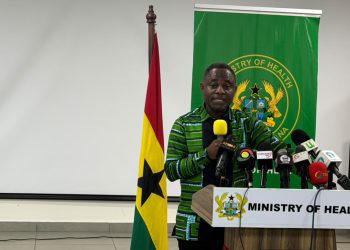
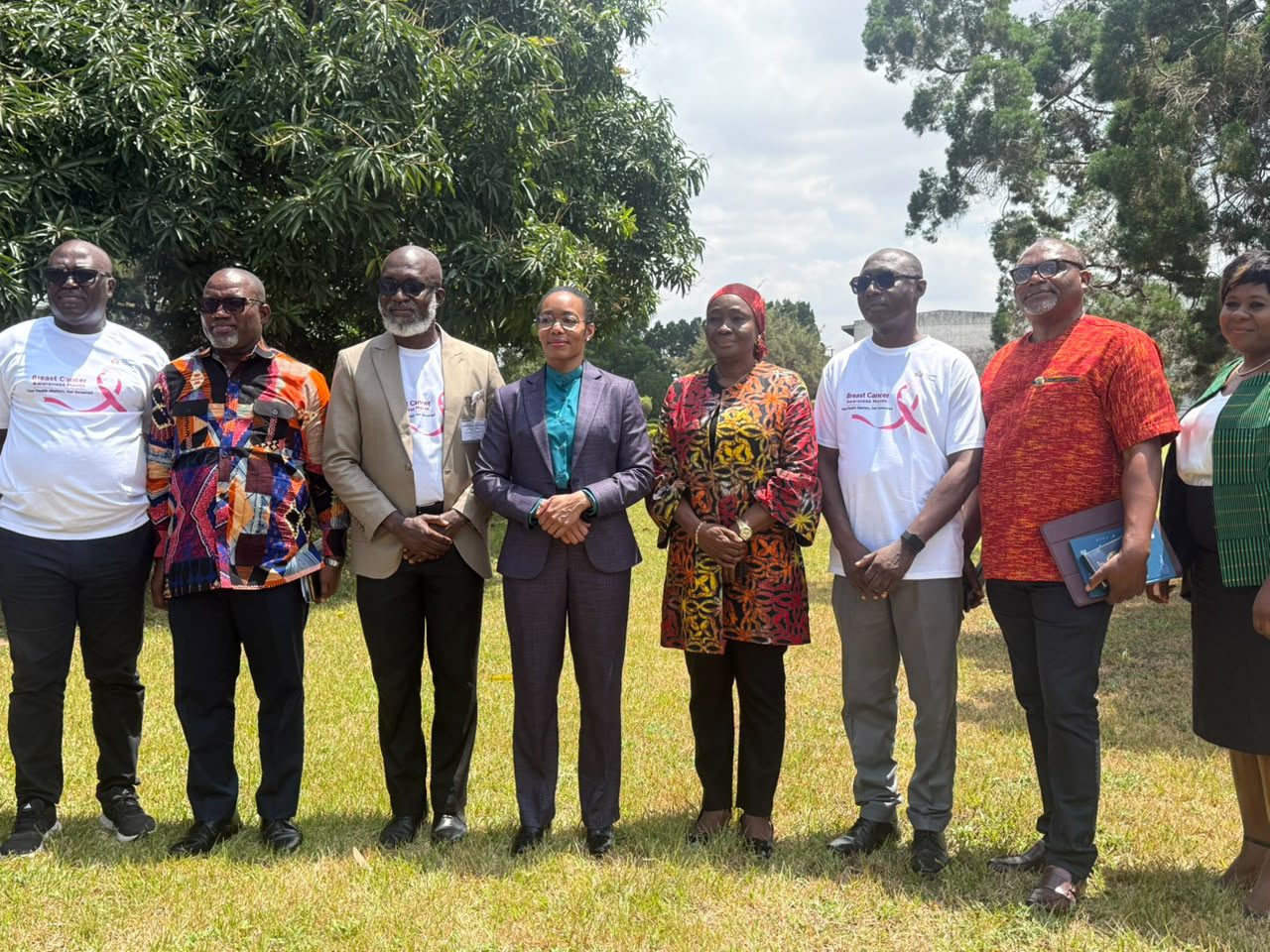
The Commission outlined its work during a visit by the Minister for Environment, Science and Technology, Dr. Zanetor Agyeman-Rawlings, as part of her working tour of agencies under the Ministry.
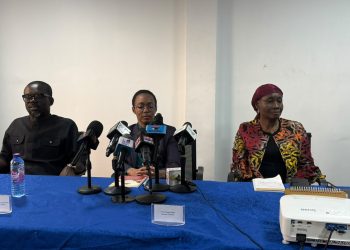
The engagement provided an opportunity for the Commission’s leadership and technical personnel to brief the Minister on its mandate, research activities, achievements and challenges requiring attention.
Officials explained that the Commission’s responsibilities extend beyond atomic energy to include scientific research, training, technical services and the commercialisation of research outcomes.
Its work covers areas such as radiation protection, nuclear research, agricultural biotechnology and radiation medicine.
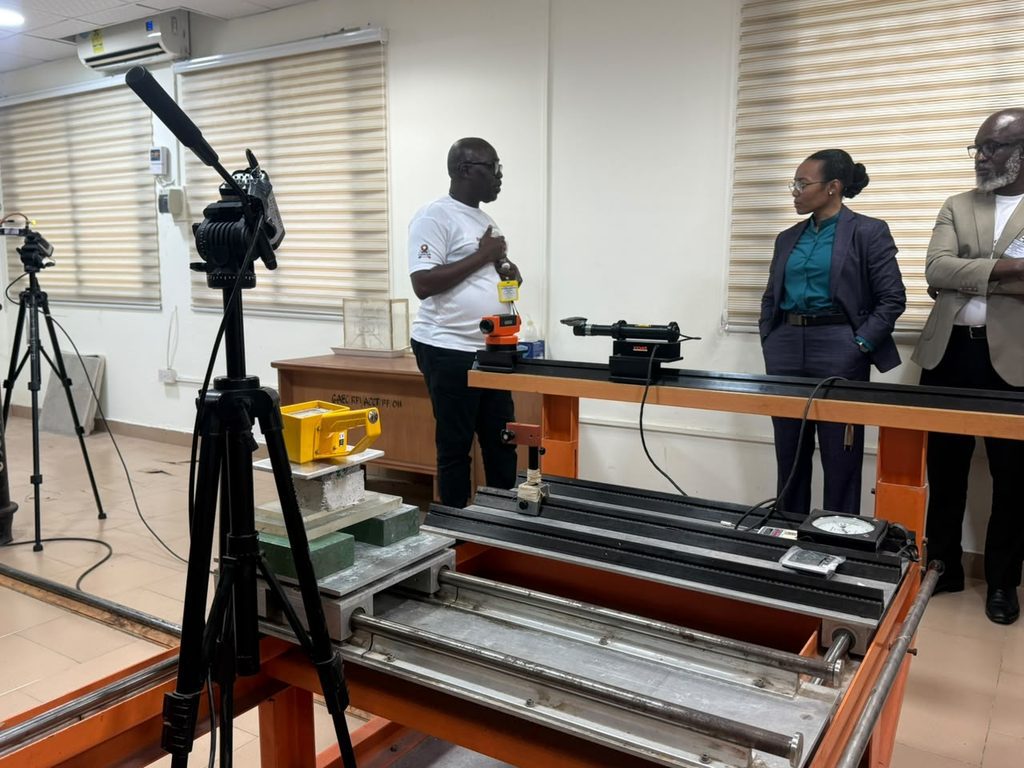
The presentation also highlighted national scientific facilities, including the Ghana Research Reactor-1 and an accelerator used for research and materials analysis.
SUPPORTING HEALTHCARE AND SPECIALISED TRAINING
In healthcare, GAEC highlighted its work in radiation monitoring, cancer-related research and medical physics training.
Officials reported that the institution had monitored more than 1,000 breast cancer patients and over 2,000 occupational radiation workers.
The Commission also reported training more than 30 medical physicists from 13 African countries, contributing to the development of specialised expertise within Ghana and across the continent.
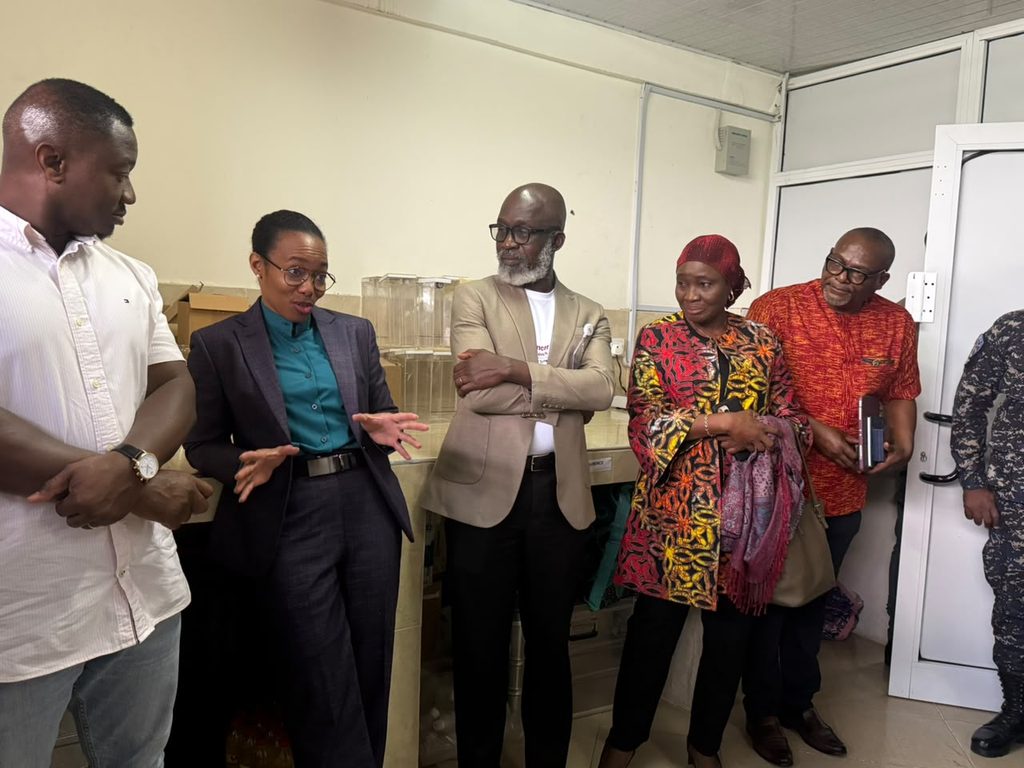
These activities form part of the institution’s broader contribution to radiation safety, scientific research and the application of nuclear technology in medical services.
CALL FOR INVESTMENT IN RESEARCH AND INFRASTRUCTURE
Despite its achievements, the Commission identified several challenges affecting its operations, including inadequate research funding, high electricity costs, outdated laboratory equipment and difficulties retaining skilled personnel.
Officials outlined plans to establish a secondary standard dosimetry laboratory to support the calibration of instruments used in hospitals and other radiation-related applications.
The Commission also proposed an artificial intelligence centre of excellence to improve the use of data generated through its scientific activities.
Another priority is the development of domestic medical radioisotope production capacity for applications including cancer treatment and nuclear medicine.
Officials indicated that additional financial resources would be required to advance these projects and modernise existing facilities.
The retention of highly trained personnel was also raised as a concern, with the Commission highlighting the time and resources required to develop specialists capable of undertaking advanced scientific research and technical work.
LAND SECURITY AND PUBLIC SAFETY
Land encroachment around sensitive facilities featured prominently in the discussions.
The Commission expressed concern about activities near its radiation waste management centre, highlighting the need to protect the area against developments that could compromise security and safety.
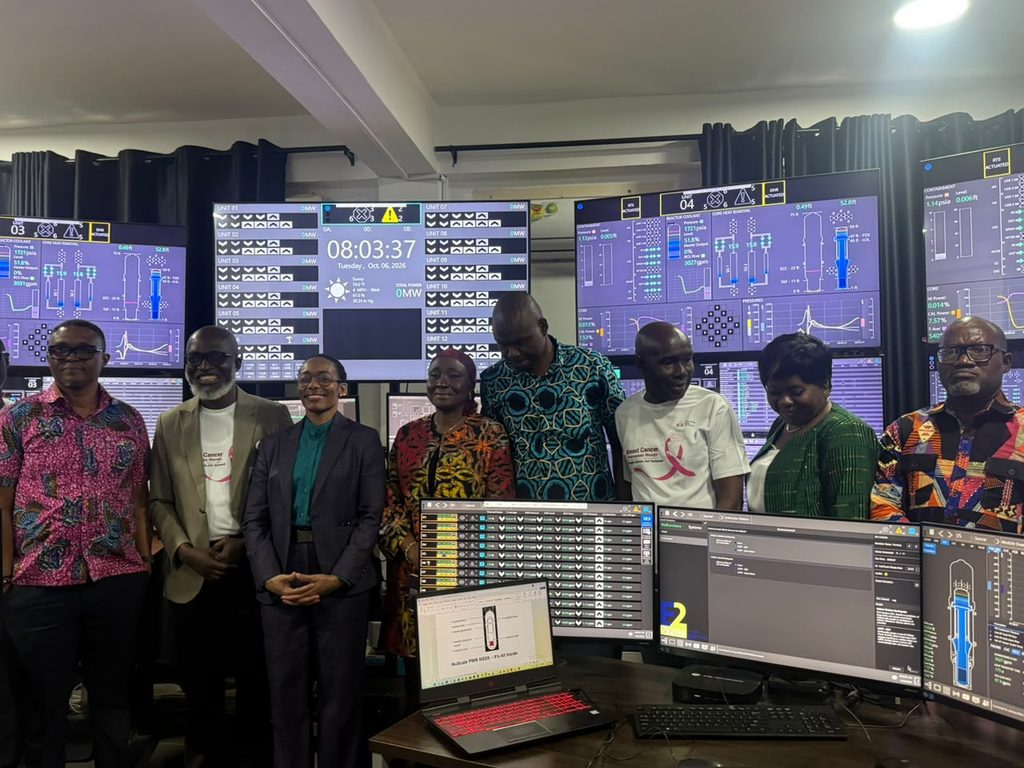
The Minister emphasised the importance of protecting public assets and maintaining appropriate safety arrangements around nuclear-related facilities.
She also called for stronger public education to help communities understand the Commission’s mandate and the safeguards associated with its operations.
Dr. Agyeman-Rawlings assured the agencies under her Ministry that their concerns would be considered, while noting that any support would have to be assessed against available resources.
The visit formed part of her broader engagement with the Ghana Atomic Energy Commission, the National Biosafety Authority and the Nuclear Regulatory Authority.
The discussions highlighted the importance of sustained investment in scientific research, modern infrastructure and specialist personnel to enable Ghana to maximise the benefits of science and technology for national development.
Story by Osman Issah Abadoo