The Ghana Health Service (GHS) has announced a remarkable 98 percent reduction in malaria-related deaths over the past 14 years, describing the achievement as a major milestone in the country’s fight against one of its leading public health threats.
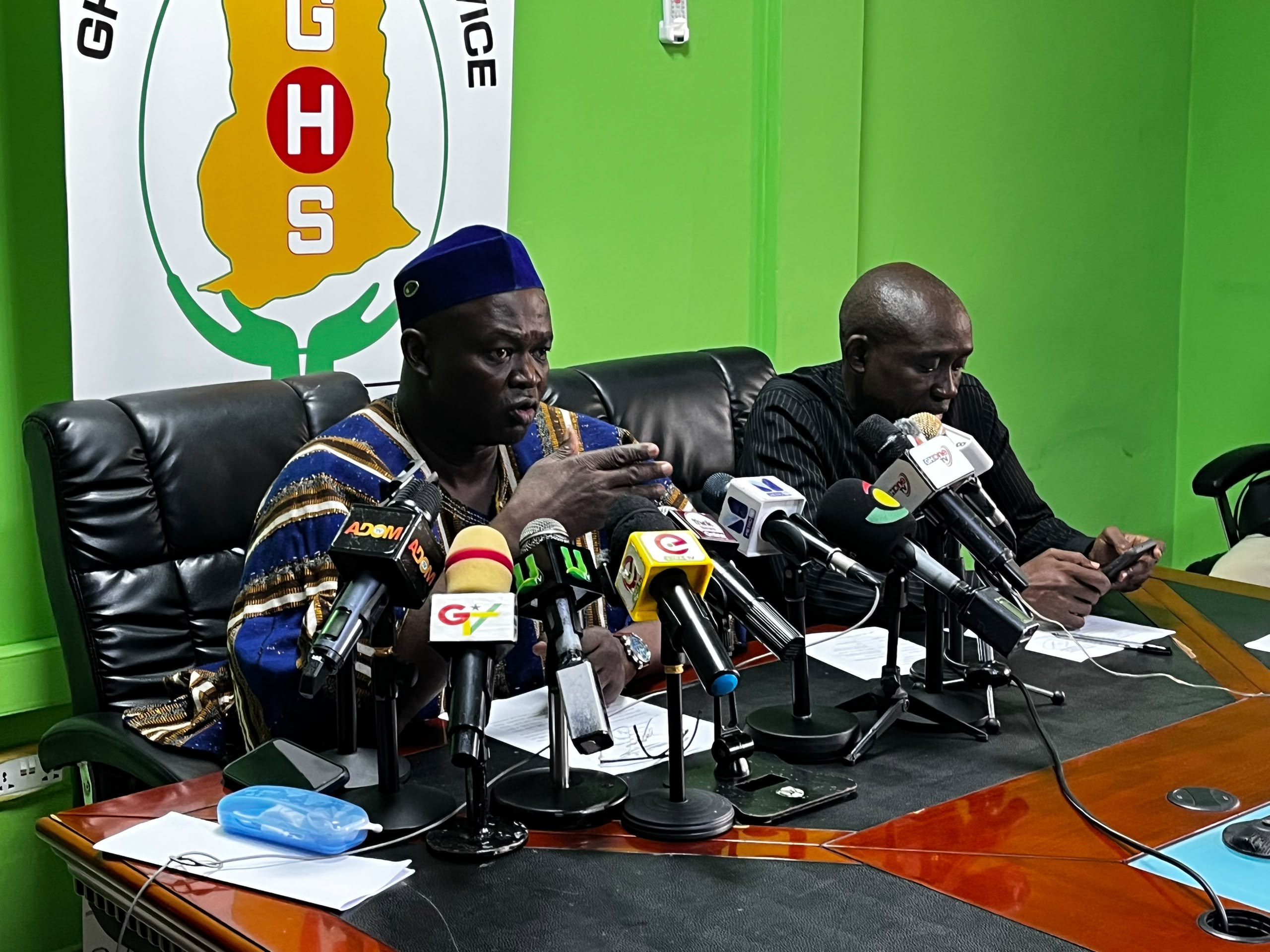
Speaking at a media briefing, Director-General of the Ghana Health Service, Samuel Kaba Akoriyea, disclosed that annual malaria deaths have fallen dramatically from 3,259 in 2011 to just 52 in 2025.
He also revealed that malaria prevalence has declined significantly, dropping from 27.5 percent in 2011 to 8.6 percent in 2022. According to him, the progress reflects sustained government investment, strong partnerships with development partners, and the commitment of healthcare workers and communities across the country.
Despite the gains, Dr. Akoriyea stressed that Ghana is intensifying efforts to eliminate malaria through two key nationwide interventions: the school-based distribution of insecticide-treated nets (ITNs) and the 2026 Seasonal Malaria Chemoprevention (SMC) campaign.
Under the school-based ITN programme, insecticide-treated mosquito nets are being distributed to pupils in Primary 2 and Primary 6 in collaboration with the Ghana Education Service. The strategy is intended to ensure that schoolchildren and their households have sustained access to malaria prevention tools.
Dr. Akoriyea said all the nets distributed meet strict quality assurance standards and are fully traceable through the supply chain. The current exercise is using next-generation dual-active ingredient nets, including the Interceptor G2, which has been prequalified by the World Health Organization. The nets combine a pyrethroid insecticide with chlorfenapyr to improve protection against mosquitoes that have developed resistance to conventional insecticides.
In addition to the school programme, the Ghana Health Service continues to distribute mosquito nets through periodic mass campaigns and routine health services. Beneficiaries include pregnant women attending antenatal clinics, people living with HIV or tuberculosis, and infants receiving their second measles-rubella vaccination.
The Director-General also highlighted the ongoing 2026 Seasonal Malaria Chemoprevention campaign, which targets children between three and 59 months of age during the peak malaria transmission season.
The intervention involves administering monthly doses of sulfadoxine-pyrimethamine and amodiaquine over four to five months. According to the Ghana Health Service, completing the full course can reduce malaria episodes among young children by up to 75 percent.
The campaign is being implemented in seven regions—Upper East, Upper West, North East, Northern, Savannah, Bono East and Oti. The first phase has already been completed in the Upper West, Upper East, North East and Oti regions, while the next cycle is scheduled to take place in the Northern, Savannah and Bono East regions from July 2 to July 5, 2026.
This year’s campaign also introduces several operational improvements, including digital registration through the Ghana Malaria Information System, enhanced field supervision, strengthened safety monitoring, and door-to-door medicine distribution by trained community health volunteers.
Dr. Akoriyea urged parents and caregivers to ensure their children sleep under the distributed mosquito nets every night and to cooperate with health volunteers administering the seasonal malaria medicines.
“The medicines are free, safe and effective. Completing every monthly cycle provides the best protection against malaria during the peak transmission season,” he said.
The Ghana Health Service is implementing the interventions in collaboration with the Food and Drugs Authority, the Environmental Protection Agency and the Ghana Education Service to ensure strict safety and regulatory compliance.
Health officials also appealed to the media to support public education efforts and promote accurate reporting as Ghana works towards eliminating malaria as a public health threat.
Story By: Eugenia Ewoenam Osei