The government has announced plans to strengthen public education campaigns on the dangers of child hawking and exploitation as part of a comprehensive effort to address the growing number of children living and working on the streets.
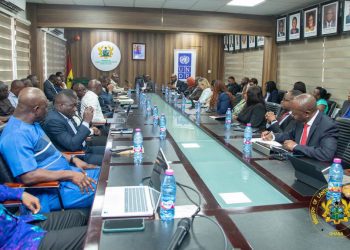
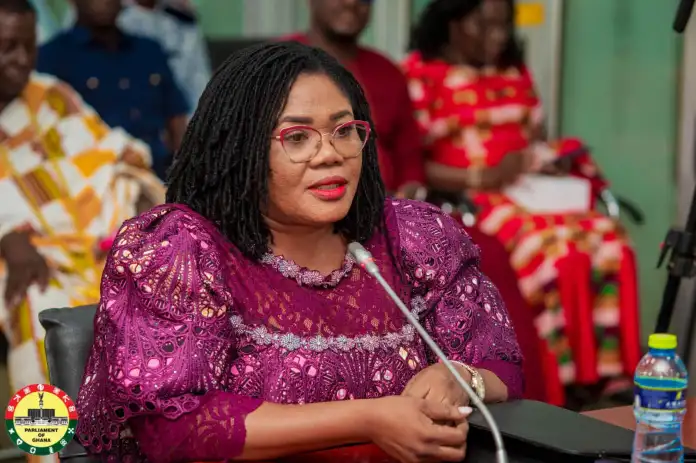
The Minister for Gender, Children and Social Protection, Agnes Naa Momo Lartey, disclosed the measures while briefing Parliament on the increasing prevalence of street children and child hawking across the country.
She emphasized that the Ministry, as the lead agency responsible for child welfare, remains deeply concerned about the situation and is committed to ensuring the protection and well-being of vulnerable children.
The Minister reminded lawmakers that Section 16(1) of the Children’s Act, 1998, mandates Metropolitan, Municipal and District Assemblies (MMDAs) to take all necessary steps to remove children from street situations and safeguard their welfare.
According to her, the Ministry is collaborating with local assemblies, the Department of Social Welfare, the Ghana Police Service, civil society organizations, and development partners to identify, rescue, rehabilitate, and reintegrate children found living or working on the streets.
To address the underlying causes of the problem, Ms. Lartey said the government is strengthening social intervention programmes such as the Livelihood Empowerment Against Poverty (LEAP) initiative and the Ghana School Feeding Programme. These programmes are intended to reduce household vulnerabilities that often force children into street labour and other forms of exploitation.
She further revealed that nationwide public education campaigns are being intensified to raise awareness about the harmful effects of child labour and the importance of education and child protection.
The Minister’s statement comes amid growing public concern and renewed calls from child rights advocates for stricter enforcement of child protection laws and enhanced collaboration among state institutions to remove children from major streets and traffic intersections.
In a related development, Ms. Lartey informed Parliament that the Ministry has reviewed all 16 regional ecological menus under the Ghana School Feeding Programme to improve the nutritional quality of meals provided to pupils.
She explained that the review forms part of President John Mahama’s broader agenda to reform and strengthen the school feeding programme.
With support from the World Food Programme (WFP) and the Korea International Cooperation Agency (KOICA), the government is set to pilot School Connect, a digital monitoring system designed to track compliance with approved menus and enhance accountability in meal preparation.
Additionally, a World Bank-supported initiative has introduced School Menu Cards to guide caterers on food portions, quantities, and nutritional requirements. Headteachers have also received training to monitor compliance with the standards.
The Minister noted that nationwide capacity-building programmes have been organized for caterers and head cooks, focusing on food hygiene, safety standards, and nutrition.
As part of efforts to improve the nutritional value of meals in a cost-effective manner, soya bean powder has been incorporated as an alternative protein source in several local dishes, including banku, kenkey, tuo zaafi, waakye, rice balls, jollof rice, soups, and stews.
Ms. Lartey stated that regular monitoring is being conducted at national, regional, district, and school levels to ensure quality assurance and adherence to established standards.
She reaffirmed the government’s commitment to enhancing the quality, safety, and nutritional value of meals provided under the Ghana School Feeding Programme, expressing confidence that the ongoing reforms will improve service delivery and contribute to better nutritional outcomes for school children nationwide.
Story By: Eugenia Ewoenam Osei