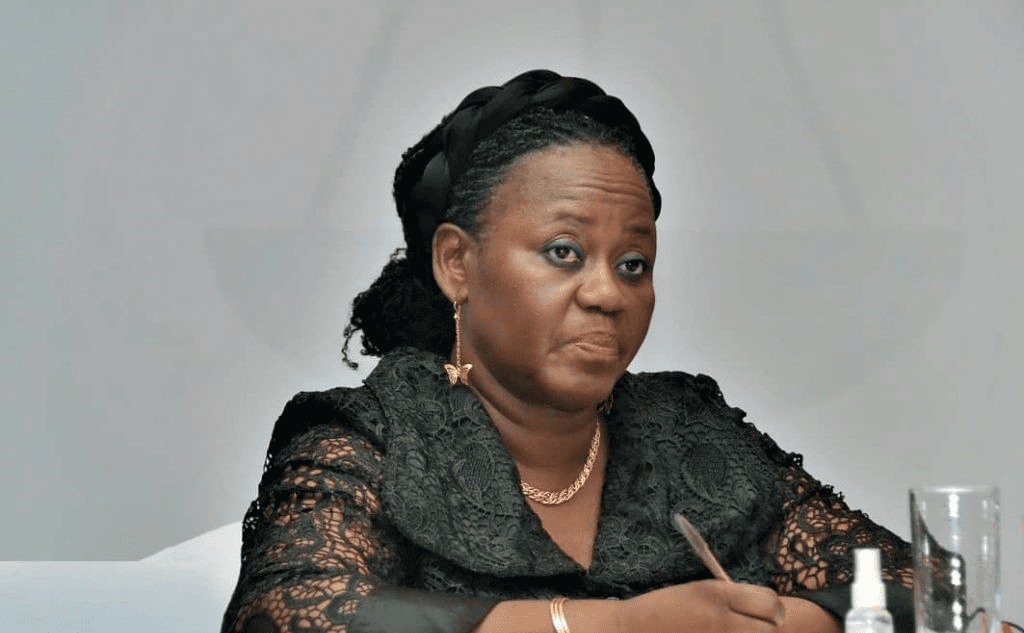
The ECOWAS Community Court of Justice has dismissed an application filed by former Chief Justice Gertrude Araba Esaaba Sackey Torkornoo seeking interim measures against the Republic of Ghana in her ongoing human rights case challenging her suspension and subsequent removal from office.
The regional court ruled that Justice Torkornoo failed to establish the urgency and imminent irreparable harm required for the grant of provisional measures. As a result, her request to halt the work of the investigative committee that examined petitions against her and to secure her reinstatement pending the final determination of the substantive case was rejected.
According to the court, the applicant’s conduct undermined her claims of urgency, noting that the application for interim relief was filed several months after the events complained of. The judges held that she had not demonstrated exceptional circumstances warranting the intervention of the court at that stage of the proceedings.
Despite dismissing the request for provisional measures, the ECOWAS Court affirmed its jurisdiction to hear the substantive human rights claims brought by the former Chief Justice. The court also rejected Ghana’s preliminary objections challenging its authority to adjudicate the matter.
Justice Torkornoo initially filed the suit in July 2025, alleging violations of her fundamental human rights arising from her suspension from office. She later amended the case to include challenges to her removal as Chief Justice and as a Justice of the Supreme Court, seeking declarations, reinstatement, and damages.
The ruling marks a significant development in the high-profile legal battle between the former Chief Justice and the Government of Ghana. While her bid for immediate relief has failed, the substantive case alleging violations of due process and fair hearing rights remains before the ECOWAS Court for determination.
Legal observers say the final outcome of the case could have important implications for judicial independence, constitutional accountability, and the role of regional courts in reviewing actions taken by member states against senior judicial officials.