Inside a hall filled with vibrant energy and youthful ambition, one hundred young schoolgirls gathered to mark a defining step in their academic and professional journeys. Selected from thousands of applicants across the Volta and Upper West Regions, these students represent the bright vanguard of Ghana’s future in technology, brought together in Accra for the official Open Day of the Girls in ICT initiative.
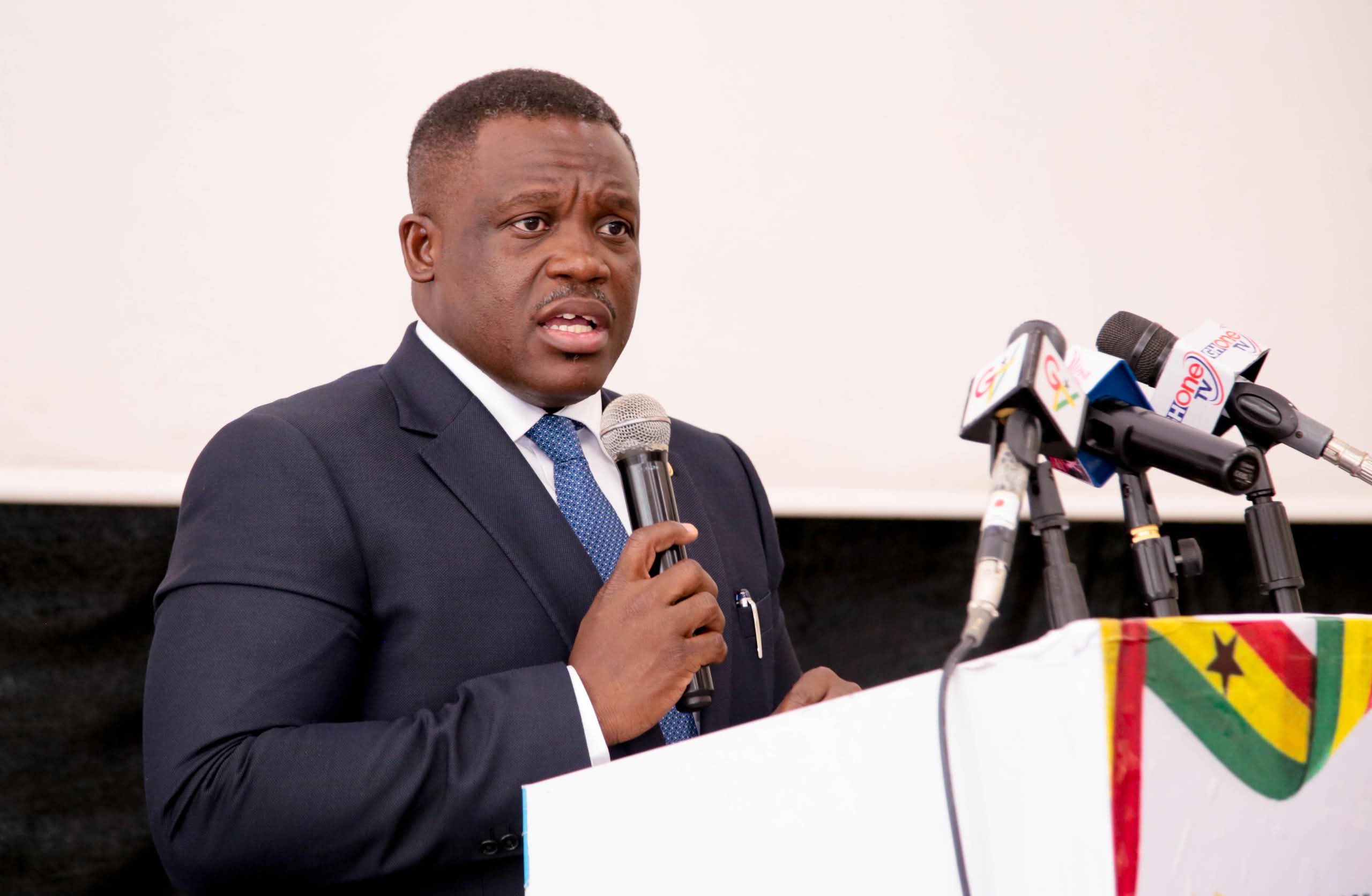
Minister for Communication, Digital Technology, and Innovation, Samuel Nartey George, emphasized the urgent need to bridge the persistent gender gap in the global technology ecosystem. He noted that while digital innovation continues to drive national development, women remain significantly underrepresented in critical cutting-edge disciplines such as Artificial Intelligence, Cybersecurity, Software Engineering, and Data Science.
The Girls in ICT program, a signature intervention by the Ministry, is structured to address this imbalance directly. Rather than serving as a simple observational tour, the initiative acts as an intensive national investment designed to equip young women with practical skills, confidence, and direct access to industry leaders.
Throughout the event, the Minister outlined an immersive week of hands-on engagement, where the students will participate in coding workshops, AI demonstrations, and structured mentorship sessions led by accomplished female professionals.
Central to the program is direct exposure to Ghana’s leading digital institutions and private sector powerhouses. Participants will interact with key regulatory bodies including the National Information Technology Agency, the National Communications Authority, and the Cyber Security Authority, alongside major telecommunications companies such as MTN, Telecel, and AirtelTigo. This hands-on interaction aims to demystify complex technical fields and spark early career aspirations.
Addressing the young delegation directly, Sam George urged the students to embrace curiosity, dismantle self-imposed limitations, and view themselves as the nation’s future technology pioneers, policy architects, and industry captains. He emphasized that digital literacy extends far beyond individual achievement, serving as a powerful catalyst for community transformation and national competitiveness on the global stage.
As the official proceedings concluded, the excitement among the students was palpable. For these one hundred girls, the week represents far more than an academic exercise; it marks the beginning of a journey toward leading Ghana’s digital transformation and proving that the future of technology belongs equally to women.
Eugenia Ewoenam Osei