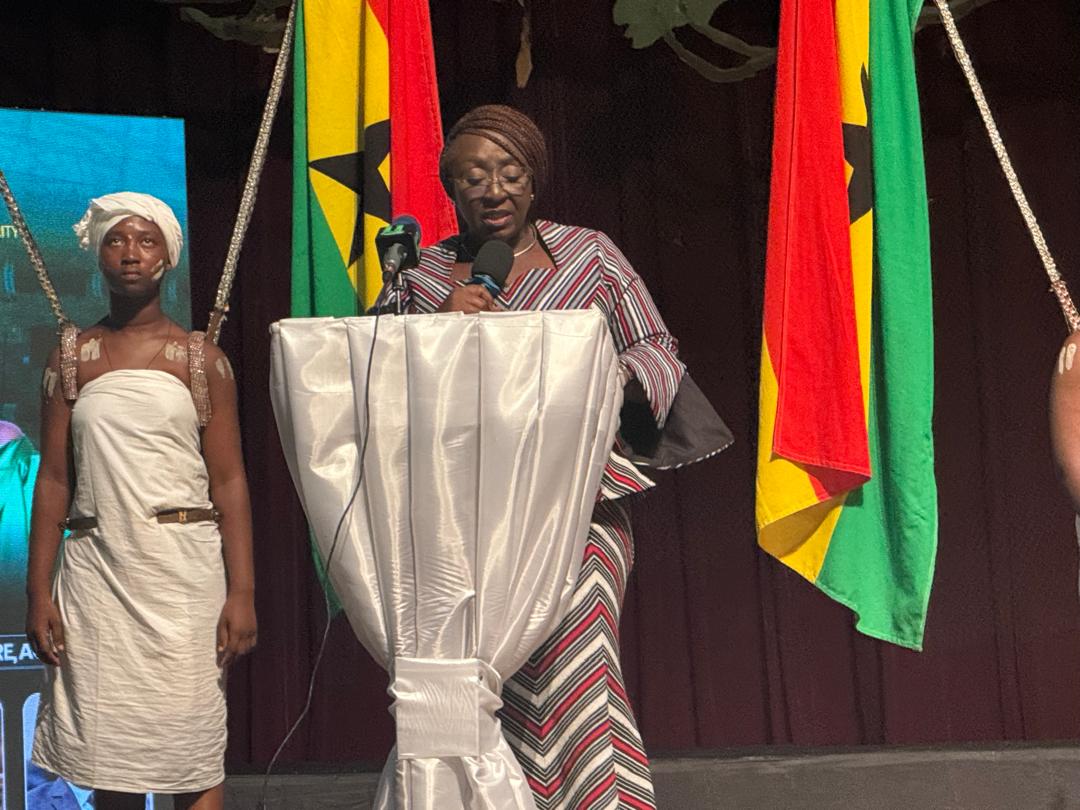
Ghana’s cultural heritage and creative industries took centre stage as the Ministry of Tourism, Culture and Creative Arts opened the 2026 Ghana Culture Day with renewed commitments to protect the nation’s heritage, strengthen cultural governance and promote local cuisine.
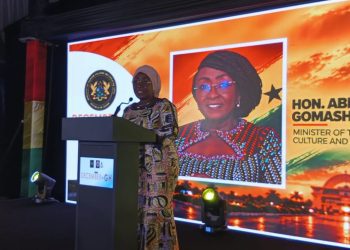
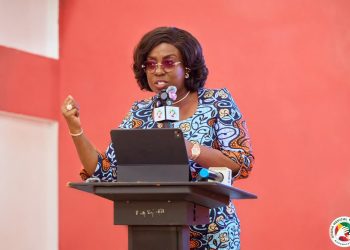
Speaking at the ceremony, the Minister for Tourism, Culture and Creative Arts, Dzifa Abla Gomashie, announced that government will soon launch a revised national cultural policy aimed at safeguarding Ghana’s tangible and intangible heritage while creating new employment opportunities within the creative sector.
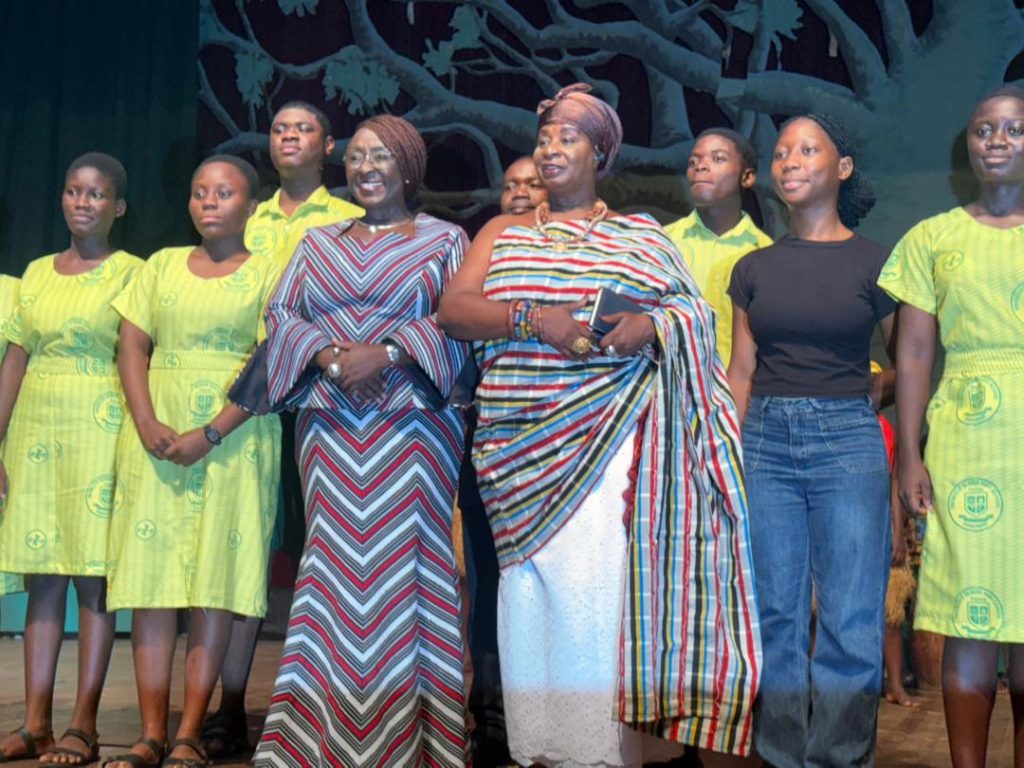
The minister said the reviewed policy, expected to be launched by President John Dramani Mahama, will modernise the legal framework governing agencies under the ministry and strengthen institutional oversight to support the growth of Ghana’s creative industries.
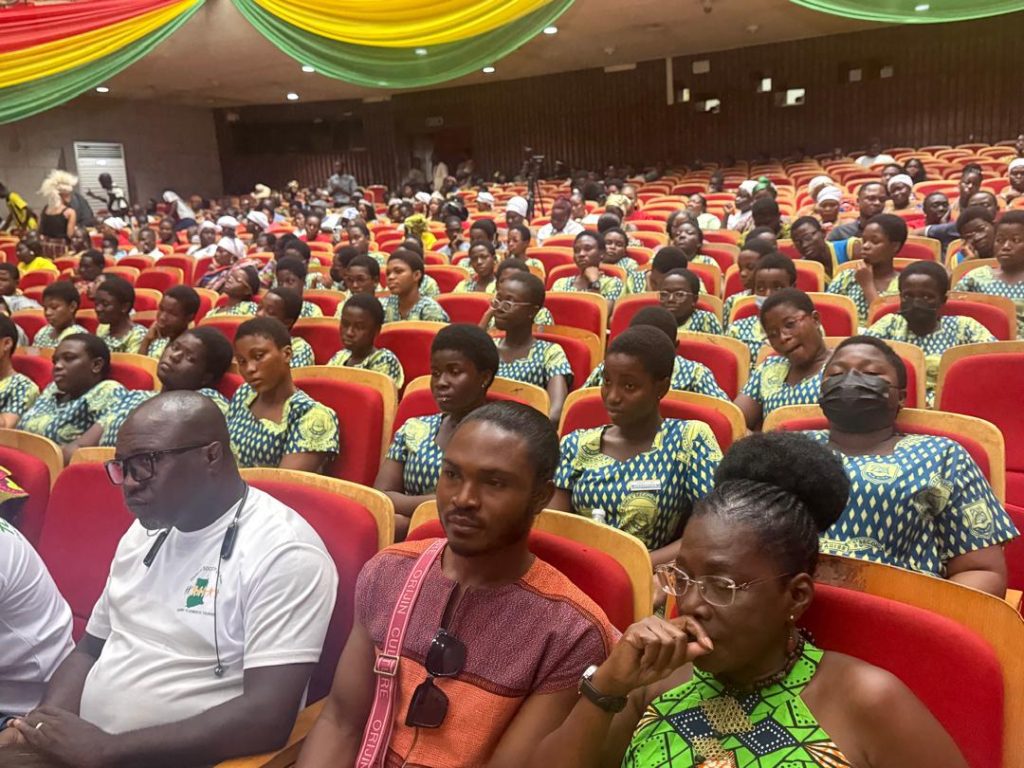
She also revealed that the government is intensifying efforts to retrieve stolen and illegally acquired Ghanaian artefacts from abroad. According to her, some countries have already expressed willingness to return items believed to have been taken from Ghana, and authorities are working with traditional leaders, researchers and other stakeholders to identify these objects and facilitate their repatriation.
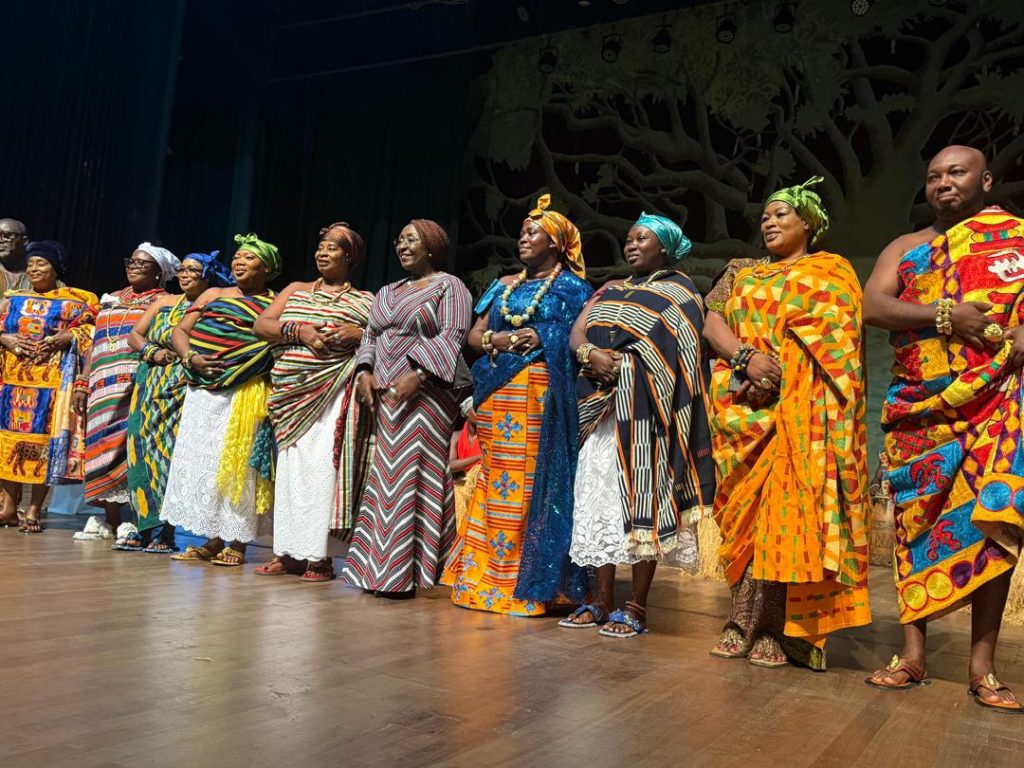
The minister further called for stronger collaboration between cultural practitioners, the private sector and international development partners to sustain Ghana’s cultural ecosystem. She acknowledged support from organisations such as UNESCO, the African Union, ECOWAS and the European Union, as well as partners from France, India, China and the Netherlands.
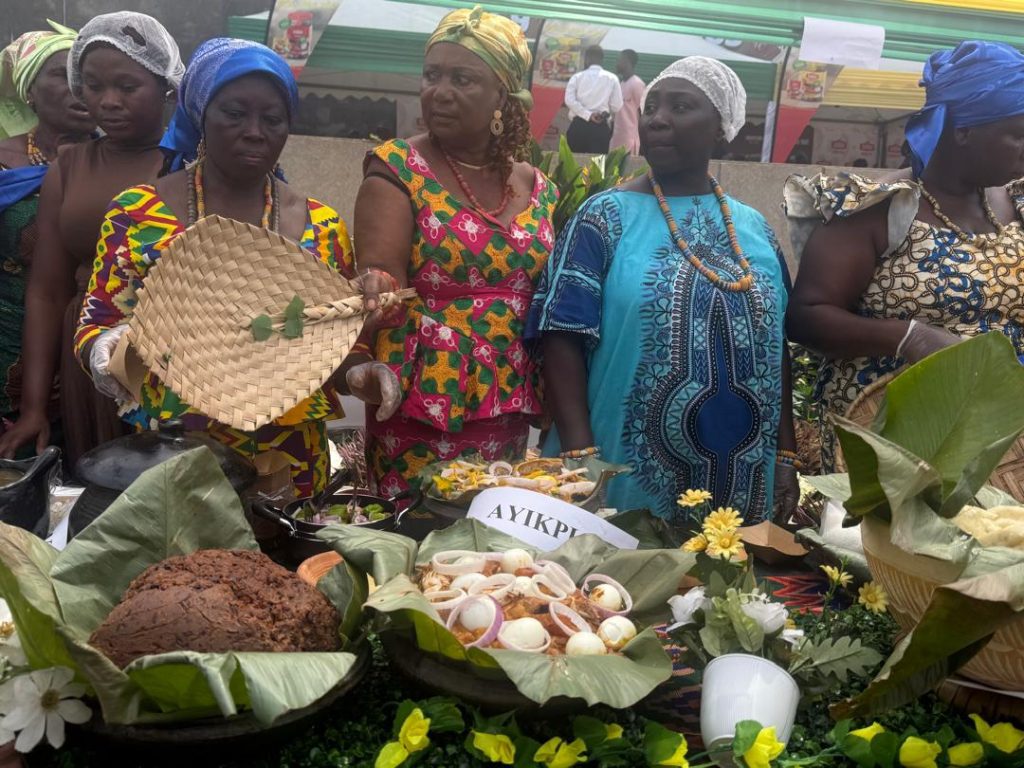
The celebration also featured a two-day “Made in Ghana” food exhibition aimed at promoting the country’s rich culinary heritage. Chief Executive Officer of the Ghana Tourism Authority, Maame Efua Houadjeto, said the initiative encourages restaurants, hotels and households to champion locally prepared meals and showcase Ghanaian dishes to both domestic and international audiences.
She noted that food remains a powerful cultural connector for Ghanaians both at home and in the diaspora, pointing out that traditional meals such as Jollof rice, boiled yam and sweet potato preparations are widely enjoyed across the world.
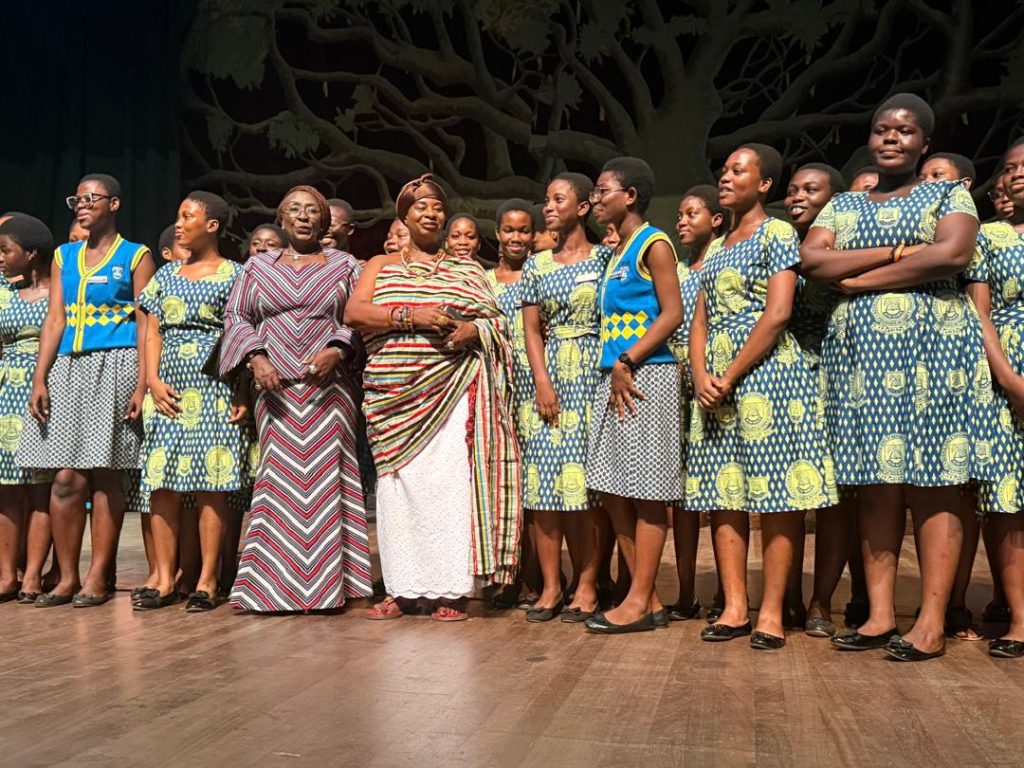
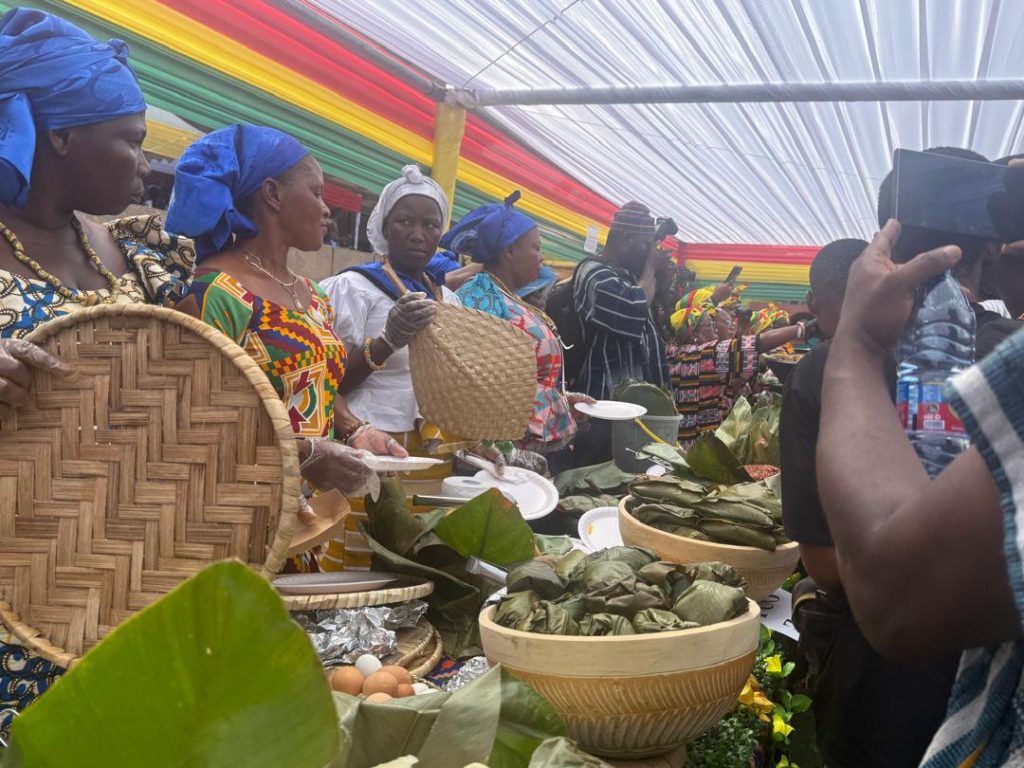
The exhibition, held at the National Theatre of Ghana, allows visitors to sample traditional meals, interact with local food producers and learn innovative ways of preparing and presenting Ghanaian dishes. Organisers say the event will help increase patronage of locally produced foods and strengthen national pride in Ghana’s cuisine.
Chairperson of the programme for the “Taste of 69 Heritage Month Celebrations,” veteran broadcaster Nana Adwoa Awindor, used the platform to urge Ghanaians to take urgent steps to preserve local languages and cultural traditions.
She warned that the declining use of indigenous languages among younger generations poses a serious challenge to cultural continuity, stressing that families and institutions must play a stronger role in passing on cultural values.
Mrs Awindor also praised the event’s keynote address, which called on the nation to “rethink, restructure and reposition” for sustainable development, describing the message as particularly important for young people seeking to reconnect with their cultural identity.
Next year’s Culture Day is expected to coincide with Ghana’s 70th independence anniversary, with organisers promising a much bigger celebration that will further showcase the country’s cultural diversity and creative potential.
Story by Osman Issah Abadoo