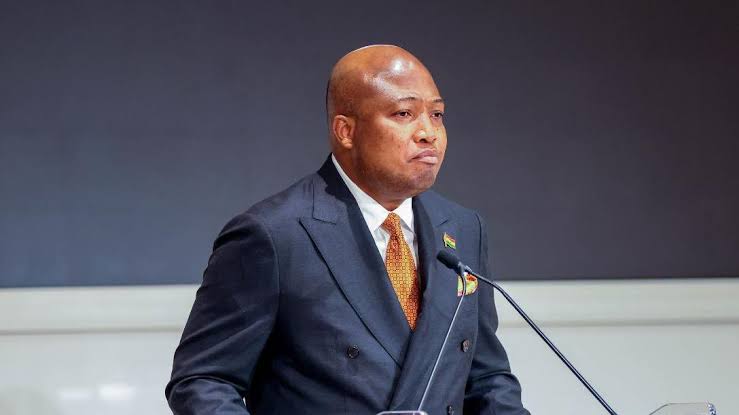
Foreign Affairs Minister Samuel Okudzeto Ablakwa has defended the government’s decision to evacuate Ghanaians from South Africa amid renewed xenophobic attacks, saying criticism from some returnees will not deter the government from prioritising the safety and welfare of citizens abroad.
Mr Ablakwa said he had seen media reports of some evacuees expressing regret over returning to Ghana, but insisted that the government remained focused on its responsibility to protect Ghanaians from danger.
“If that is the thank you we get, no problem. We are not perturbed. We are going to continue to prioritise the welfare of Ghanaians,” he said.
He made the remarks at a town hall meeting with Ghanaians in New York, following reports of dissatisfaction among some returnees over their circumstances after arriving in Ghana.
The Minister said the government’s intervention was necessitated by threats to the safety of Ghanaian nationals, including xenophobic attacks, conflict and other forms of crisis.
“When people are recovered from harm’s way, from conflict, from crisis, from xenophobic attacks, and they are back home safely to peaceful and democratic Ghana, they can begin to make all statements, grant media interviews, and all of that,” he said.
Mr Ablakwa added that the government would “forgive” those expressing regret, stressing that President John Dramani Mahama remained committed to protecting Ghanaians wherever they lived.
Ghana concluded the evacuation exercise on September 4, bringing 1,964 Ghanaians home at a total cost of GH¢49.72 million. The government said the exercise followed a deterioration in security conditions in parts of South Africa, including renewed anti-foreigner activity.
Each evacuee received a GH¢5,000 reintegration grant and GH¢500 transportation allowance, alongside medical screening and other support measures.
The Minister’s comments follow concerns raised publicly by some returnees, including Kofi Baah, who said he regretted returning because the financial support he received was insufficient for his family’s needs and employment opportunities he expected had not materialised.