The National Road Safety Authority (NRSA) has declared the Toyota Voxy unfit for commercial transport in Ghana, warning that individuals who continue to operate the vehicle for such purposes are doing so illegally.
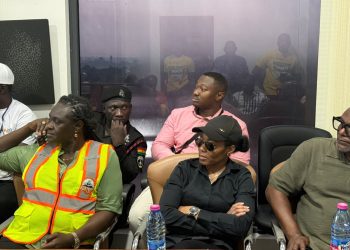
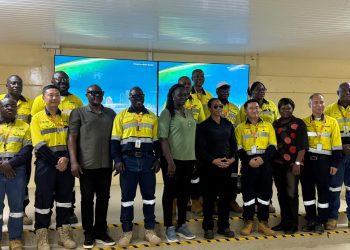
The directive follows the presentation of a comprehensive report on Wednesday, April 8, 2026, by a technical working group tasked with assessing the safety and suitability of the Toyota Voxy. The review was prompted by the vehicle’s growing involvement in road crashes, alongside mounting concerns over the widespread conversion of right-hand drive (RHD) vehicles to left-hand drive (LHD).
According to the NRSA, the findings highlight serious engineering, regulatory, and safety deficiencies that render the vehicle unsuitable for commercial passenger transport.
Compromised Engineering Integrity
The working group revealed that Toyota Tsusho Corporation, a key affiliate of Toyota, does not manufacture left-hand drive versions of the Voxy or its counterpart, the Noah, as both models are designed exclusively for the Japanese domestic market. The company also stated it has never approved or endorsed the conversion of RHD vehicles to LHD, citing safety risks.
Despite this, about 90 per cent of such conversions in Ghana are carried out locally by informal artisans. Investigations uncovered extensive modifications, including dashboard removal, rewiring, and structural alterations that compromise critical systems such as braking, steering, and electrical components. None of the conversion centres inspected were registered with the NRSA, in violation of regulatory requirements.
Unsuitable for Commercial Transport
The report further emphasised that the Toyota Voxy is not designed for commercial use. Toyota’s official documentation identifies only models such as the HiAce, GranAce, and Coaster as suitable for passenger transport services.
With a ground clearance of 150mm—significantly lower than the 185mm clearance of the HiAce—the Voxy is ill-suited for long-distance travel on Ghana’s road network. Drivers admitted to modifying vehicles with larger tyres and extended suspension systems to compensate, further raising safety concerns.
Registration data shows a sharp increase in the importation and use of the vehicle. In the first two months of 2026 alone, approximately 3,570 Voxy vehicles were registered, nearly matching the total of 3,687 recorded for all of 2025. Although only 34 per cent are officially registered as commercial vehicles, authorities say many privately registered vehicles are being used illegally for passenger transport.
Regulatory Failures Exposed
The report also pointed to systemic lapses across multiple state institutions. It cited violations of the Customs Act, 2015 (Act 891), which prohibits the importation of RHD vehicles without ministerial approval, yet over 7,257 such vehicles have entered the country.
The Ghana Standards Authority was criticised for failing to enforce GS 4510:2022, a standard intended to prevent non-compliant imports through pre-shipment checks. Similarly, the Driver and Vehicle Licensing Authority has been registering converted vehicles without conducting the enhanced inspections required under existing road traffic regulations.
The Motor Traffic and Transport Department (MTTD) was also cited for failing to ensure that vehicles registered for private use are not being used commercially.
Rising Crash Concerns
National crash data between 2020 and 2025 shows a worrying trend. Road crashes increased by 9.3 per cent in 2025, reversing a three-year decline, while the fatality rate rose to 20 deaths per 100 crashes—the highest recorded within the period.
Although Toyota Voxy-related crashes account for less than one per cent of national figures, their regional impact is significant. In the Bono Region, they make up 14.6 per cent of crashes, 12.7 per cent in the North East Region, and 11.0 per cent in the Western Central Region.
Stakeholders attribute many of these crashes to commercial pressures, with drivers reportedly required to meet weekly sales targets of between GH₵3,500 and GH₵4,000, often leading to speeding and reckless driving by inexperienced operators.
Enforcement and Reform Measures
In response, the NRSA has outlined a series of immediate and long-term measures to address the situation.
Within the next six months, authorities plan to enforce the ban on RHD imports, intensify joint operations between the DVLA and MTTD to sanction offenders, and restrict existing Voxy vehicles used commercially to intra-city operations only. The Authority will also halt the registration of non-compliant converted vehicles and issue a nationwide public safety advisory.
Medium-term reforms will focus on strengthening regulatory enforcement, including full implementation of GS 4510:2022, stricter commercial driver licensing requirements, and enhanced technical inspections for converted vehicles.
Over the longer term, the government aims to develop national standards for vehicle conversions, establish certification systems for workshops, and introduce stricter speed regulations for commercial transport operators. Plans are also underway to modernise crash data systems and improve inter-agency coordination.
The NRSA maintains that the directive is necessary to curb rising road safety risks and ensure compliance with national transport regulations, while safeguarding the lives of passengers across the country.
Story By: Eric Boateng