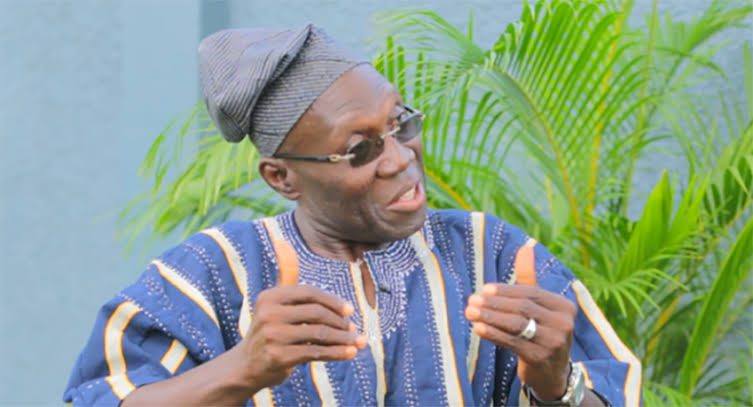
Former Member of Parliament for Tamale Central, Alhaji Inusah Abdulai Fuseini, has rejected suggestions that political influence should shield individuals from legal accountability, insisting that the principle of equality before the law remains fundamental to Ghana’s democracy.
Speaking on Radio Gold’s Gold Morning Conversation with Henry Agbai, the lawyer and former legislator weighed in on controversy surrounding the Chairman Wontumi case, where concerns have been raised over what some observers describe as attempts to delay the delivery of judgment through lawyer Andy Appiah-Kubi’s application to withdraw from the matter at a late stage of the proceedings.
According to Alhaji Fuseini, the timing of the withdrawal request has inevitably raised questions about whether it is intended to slow down the judicial process or influence the scheduled ruling.
“Two days ago, I said there were two reasons from where I sit: first, to delay the case and, tragically, to see whether they can arrest the judgment of the court; and second, to throw politics into the matter,” he stated.
He stressed that regardless of an individual’s political standing, everyone must be held to the same legal standards.
“No person is above the law,” he said, pointing to the prosecution of former United States President Donald Trump as evidence that public office and political prominence do not exempt individuals from accountability.
Alhaji Fuseini explained that court cases evolve through a structured process involving pleadings, evidence, witness testimony, and final submissions. Once a case reaches its closing stages, he argued, it develops “a life of its own,” making attempts to interrupt its progression increasingly difficult.
He noted that the prosecution has already filed its final submissions and that the court has indicated judgment is expected around July 3, suggesting that the proceedings are substantially complete.
“The question is whether the withdrawal is genuine or whether it is a delaying tactic intended to disrupt the smooth progress of the proceedings,” he said.
While acknowledging that the court ultimately has the authority to determine whether counsel may withdraw from a case, Alhaji Fuseini maintained that the matter has advanced too far for the judgment itself to be halted.
“Nothing can arrest the judgment now. Nothing,” he stressed.
Story by: Ruth Quaye