Strategic alignment between Ghana’s industrial policies and China’s new trade concessions is the primary catalyst needed to bridge the nation’s export deficit, according to industry experts and diplomats.
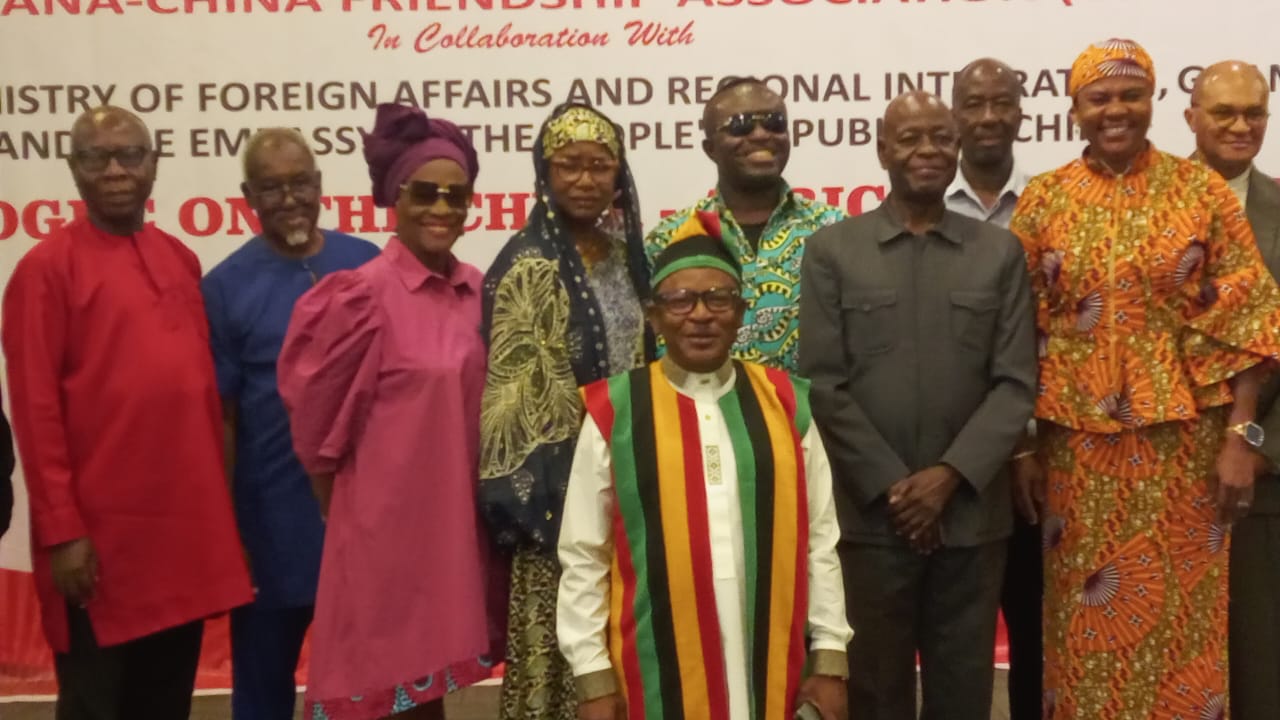
At the latest GhaChiFA Dialogues, a forum hosted by the Ghana-China Friendship Association (GhaChiFA) in partnership with the Ministry of Foreign Affairs and Regional Integration and the Embassy of the People’s Republic of China, stakeholders argued that a proposed 24-hour economy is no longer a luxury, but a necessity to meet the demands of the Chinese market.
The General Secretary of GhaChiFA, Benjamin Anyagre Aziginaateeg, emphasized that while the zero-tariff arrangement removes financial barriers, Ghana’s current production capacity remains the largest hurdle. He noted that the removal of tariffs serves as a “wake-up call” for the nation to shift from raw commodity exports to high-value manufactured goods.
”The zero tariff is a direct opportunity for Ghana and Africa to export manufactured goods into China, but this cannot happen without strong industrial capacity. That is where the 24-hour economy becomes critical. If properly implemented, it will drive continuous production, expand industries, and create the jobs needed to support large-scale exports.”
While the policy landscape looks promising, the dialogue also highlighted the practical challenges facing Ghanaian businesses. Rev. Patience Ndebugri, the National Treasurer of GhaChiFA, described the duty-free access as a timely intervention but warned that paperwork and logistics could stifle progress if left unaddressed.
”Beyond the announcement, we must deal with the bottlenecks, the cost of exporting, and the processes involved. If we approach it with commitment and the right mindset, this policy can significantly improve Ghana’s trade and economic outlook.”
The forum concluded with a call for the integration of value addition into the national trade strategy, moving away from a reliance on raw materials to maximize foreign exchange. Participants agreed that the 24-hour economy model is essential for maintaining the supply consistency required by Chinese importers, provided that high export costs and bureaucratic hurdles are dismantled.
The China-Africa zero-tariff policy is expected to provide duty-free access for a vast array of African goods. For Ghana, the consensus remains clear: the opportunity is available, but the infrastructure of production must evolve to meet it.
Story By: Eugenia Ewoenam Osei