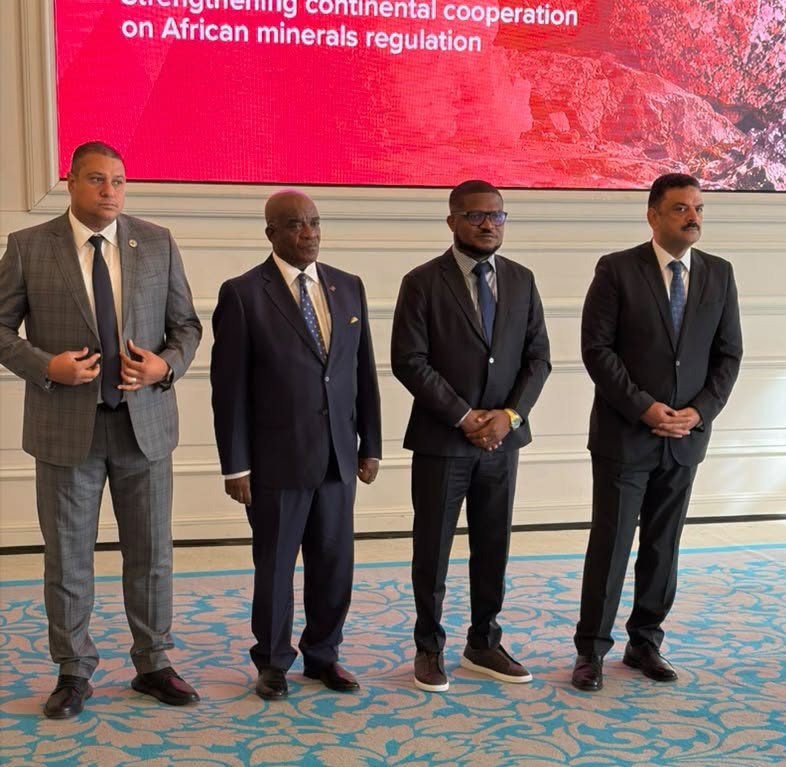
Chief Executive Officer of Ghana’s Minerals Commission, Isaac Tandoh, has called for a coordinated African approach to mineral regulation and value addition, warning that fragmented policies and continued dependence on raw mineral exports could deny the continent the full economic benefits of its natural resources.
Speaking at separate high-level roundtables at the Egypt Mining Forum in Cairo, Mr Tandoh said African countries must strengthen regulatory cooperation, retain more value from mineral production and ensure that the continent’s resources support industrialisation, employment and long-term economic development.
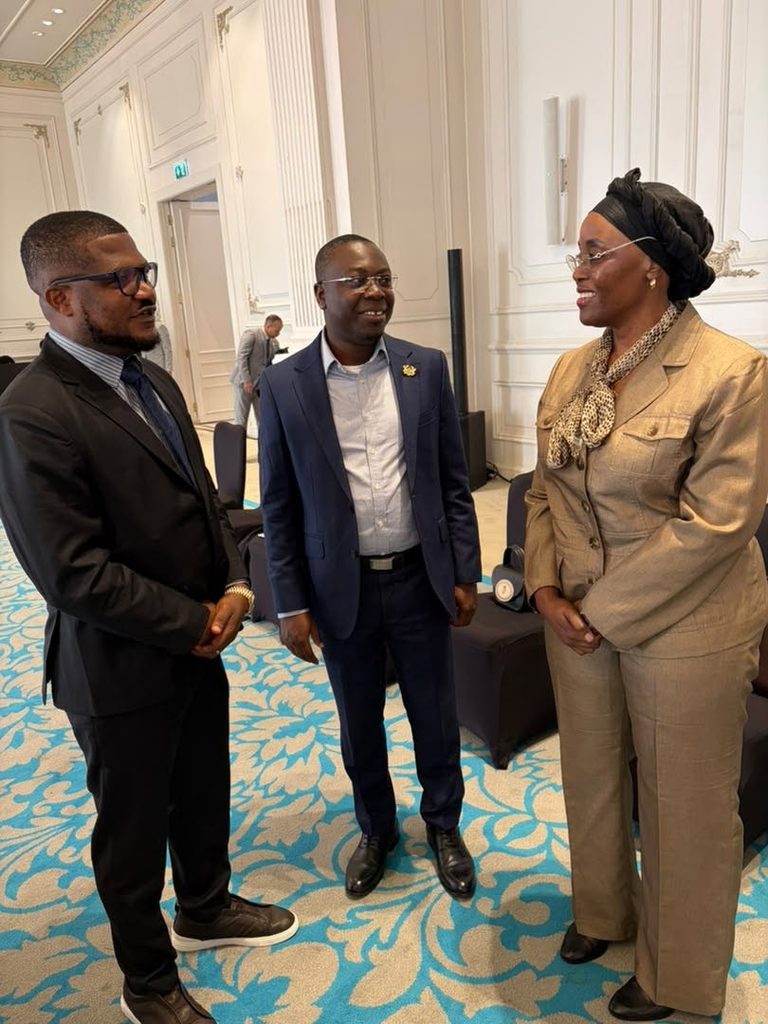
Representing the Minister for Lands and Natural Resources, Emmanuel Armah-Kofi Buah, Mr Tandoh joined African ministers, regulatory authorities, industry leaders and investors for discussions organised by the Africa Minerals Strategy Group (AMSG).
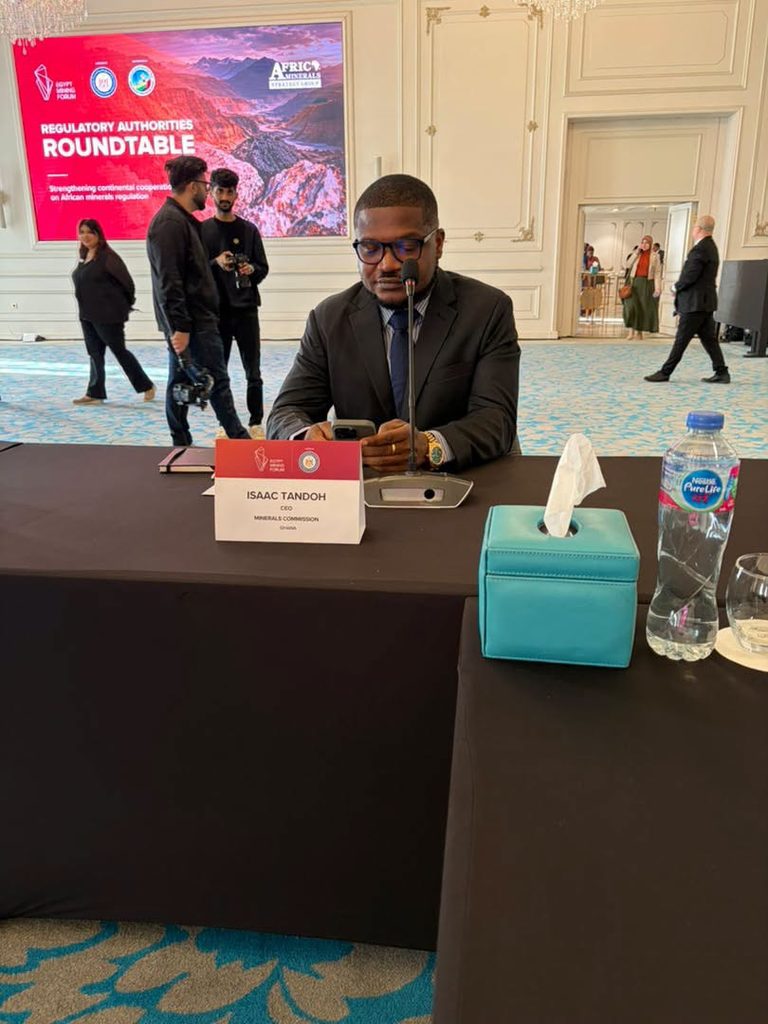
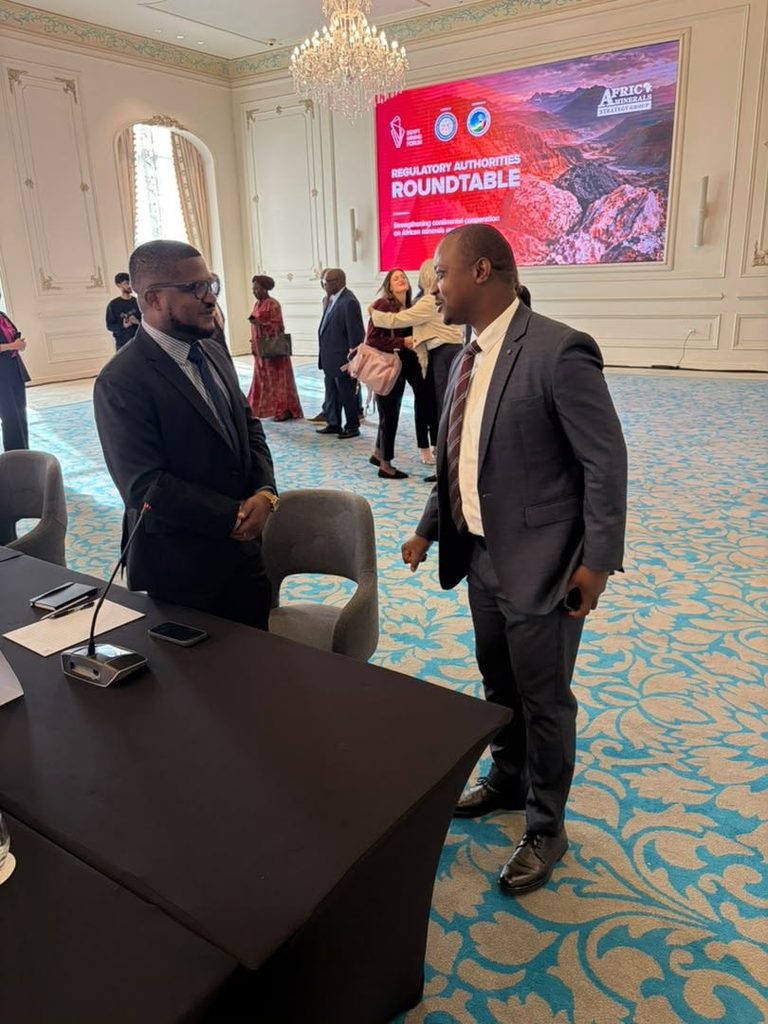
At the Regulatory Authorities Roundtable, held under the theme “Strengthening Continental Cooperation on African Minerals Regulation,” the Minerals Commission CEO proposed the development of a Pan-African Critical Minerals Charter to provide a more coordinated framework for managing the continent’s strategic mineral resources.
He cautioned that differing national policies could create competition among African countries for investment through tax concessions and regulatory advantages, potentially weakening the continent’s collective bargaining position.
Mr Tandoh argued that African countries must instead determine the strategic value of their mineral resources according to the continent’s own development priorities.
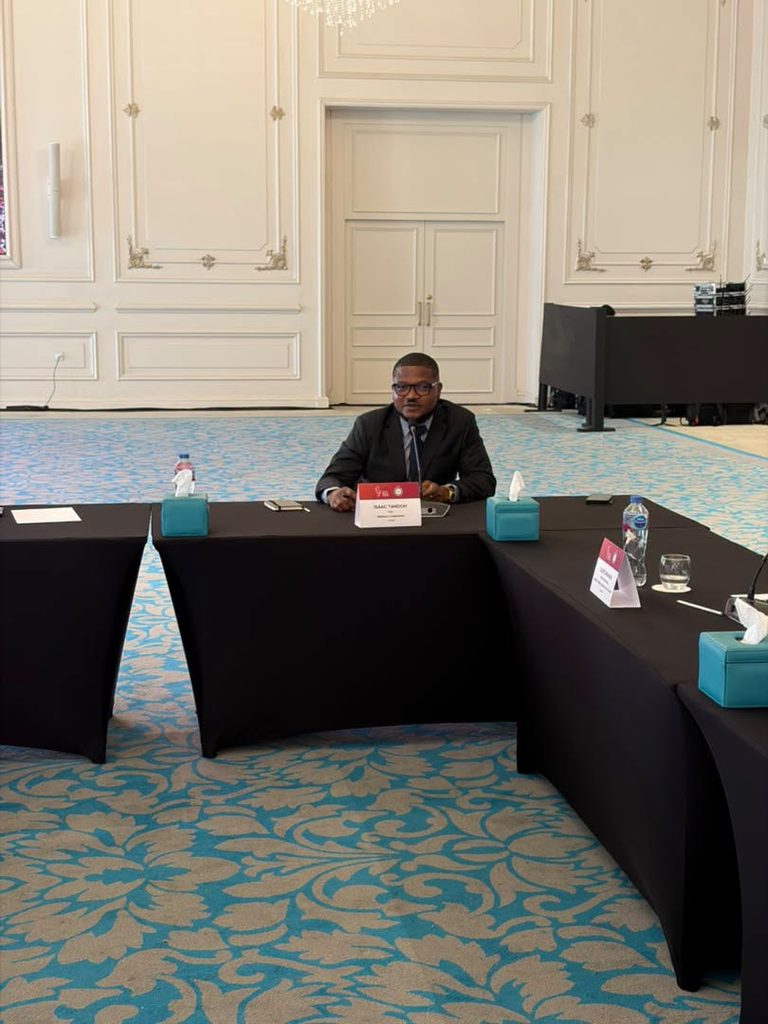
“Africa’s minerals are critical not because global markets say so, but because they hold the key to our continent’s economic sovereignty and industrial future,” he said.
He warned that without greater cooperation and a deliberate strategy to retain value, Africa risked remaining a supplier of raw materials to support industrial and green-energy development elsewhere.
“If we define our resource value on our own terms, mining becomes a true driver of broad-based domestic growth; if we fail to unite, we risk remaining merely a raw-material warehouse for other nations’ green energy transitions,” Mr Tandoh stated.
Push for value addition
At the Ministerial and CEO Roundtable, Mr Tandoh extended the argument to the structure of Africa’s mineral value chains, calling for a transition from the export of unprocessed resources towards processing, beneficiation and domestic industrialisation.
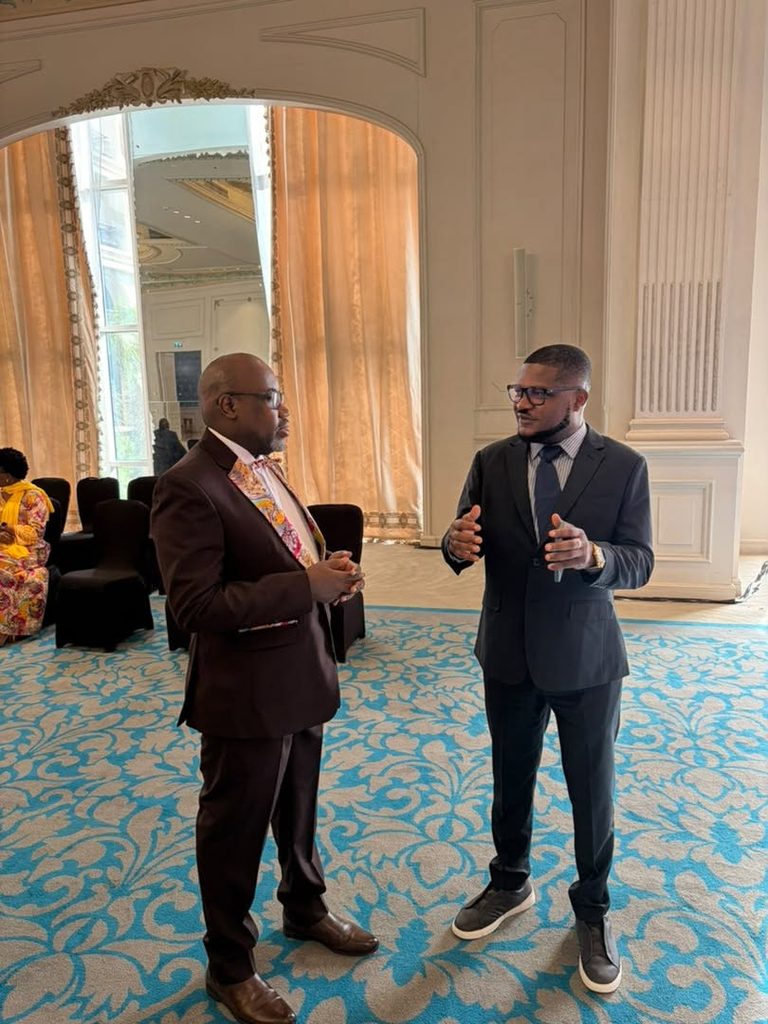
He said retaining a greater proportion of the value generated from mineral resources should become a central objective of mining policy across the continent.
“The era of simply exporting our raw wealth must transition into a model of active industrialisation, where local value addition, processing and beneficiation keep the economic benefits within our borders,” he said.
He cited Ghana’s efforts to develop integrated value chains for gold and emerging green minerals such as lithium as part of that transition.
Mr Tandoh also outlined regulatory reforms being pursued in Ghana to increase state returns, strengthen environmental compliance and deepen local participation in the mining industry.
He called for mining rights and contractual privileges to be subjected to clear conditions, including commitments to local employment, technology transfer and community reinvestment, rather than being automatically renewed.
Digital regulation and local participation
The Minerals Commission CEO also highlighted the Commission’s digitalisation programme, including the Mining Cadastre Administration System (MCAS), as part of efforts to improve transparency in mineral-right administration and support the formalisation of small-scale mining.
He said modern geological data and digital regulatory systems were important to building investor confidence while strengthening enforcement of environmental, social and governance standards.
“Our goal in Ghana is to be the premier mining investment hub in Africa, not just by our resource abundance, but through policy certainty, transparency, and a commitment to responsible, sustainable mining,” Mr Tandoh said.
He stressed, however, that attracting foreign investment must be accompanied by measures to ensure that Ghanaians receive an equitable share of the benefits generated by the industry.
According to him, Ghana is developing frameworks to strengthen local participation and expand the role of Ghanaian professionals in high-value engineering, digital and technical services within the mining sector.
Mr Tandoh also raised concerns about “fronting”, where local entities serve as nominees for foreign operators not authorised to participate in particular mining activities.
He said the Commission was intensifying action against illegal operations while supporting the formalisation of small-scale mining cooperatives to bring more operators and mining communities into the regulated economy.
The discussions in Cairo ended with participating countries expressing support for stronger continental cooperation, including efforts to improve mineral value chains, responsible sourcing, resource security and the contribution of mining revenues to infrastructure and long-term economic development.
For Mr Tandoh, greater regulatory coordination and deeper value addition would allow Africa to move beyond its traditional role as a source of raw minerals and capture a larger share of the economic value generated from the continent’s natural resources.