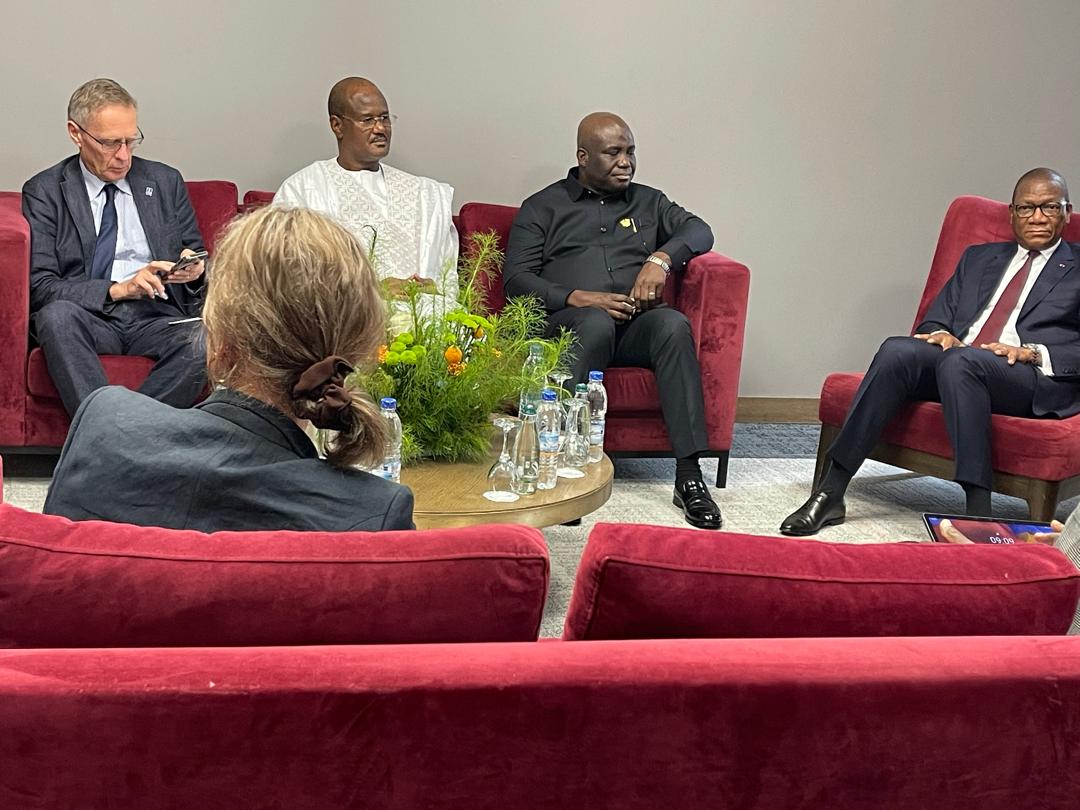
Abidjan, Côte d’Ivoire –
Ghana’s Minister for Food and Agriculture, Hon. Eric Opoku, has underscored the importance of collaboration between governments and development partners in transforming agriculture and improving rural livelihoods across Africa.
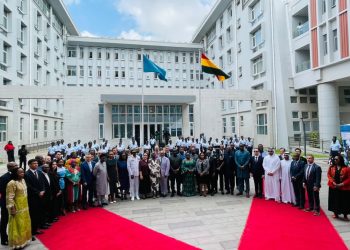
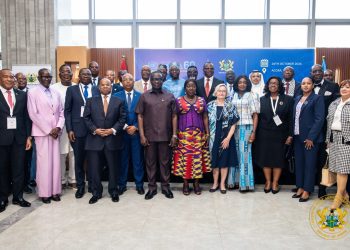
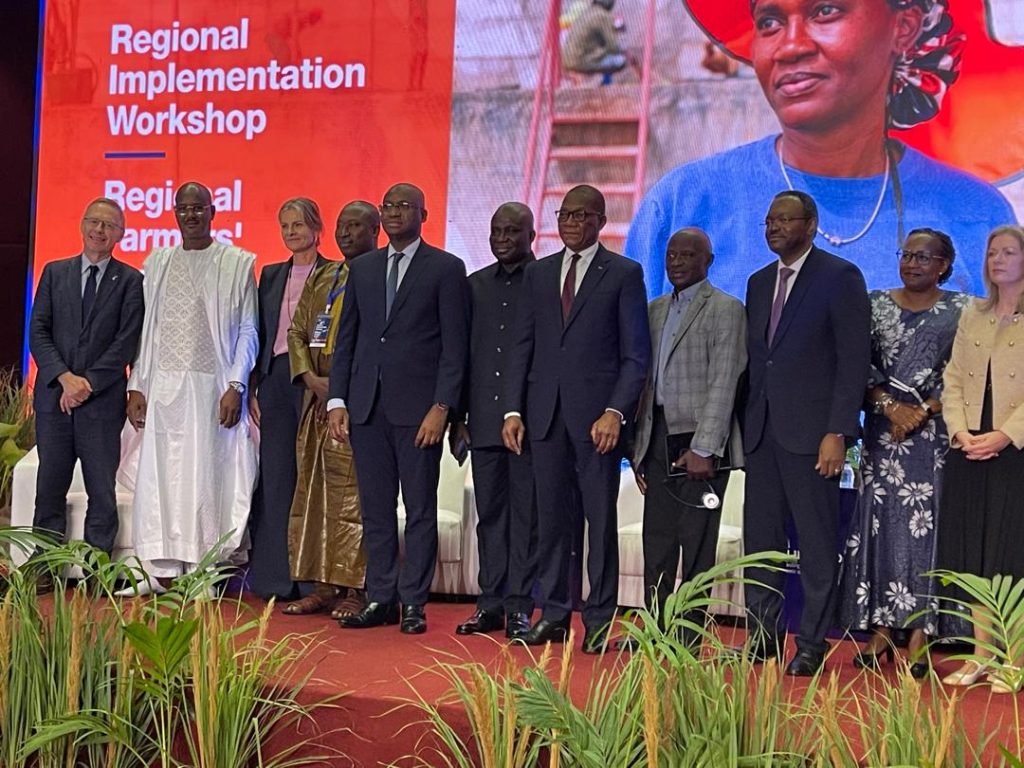
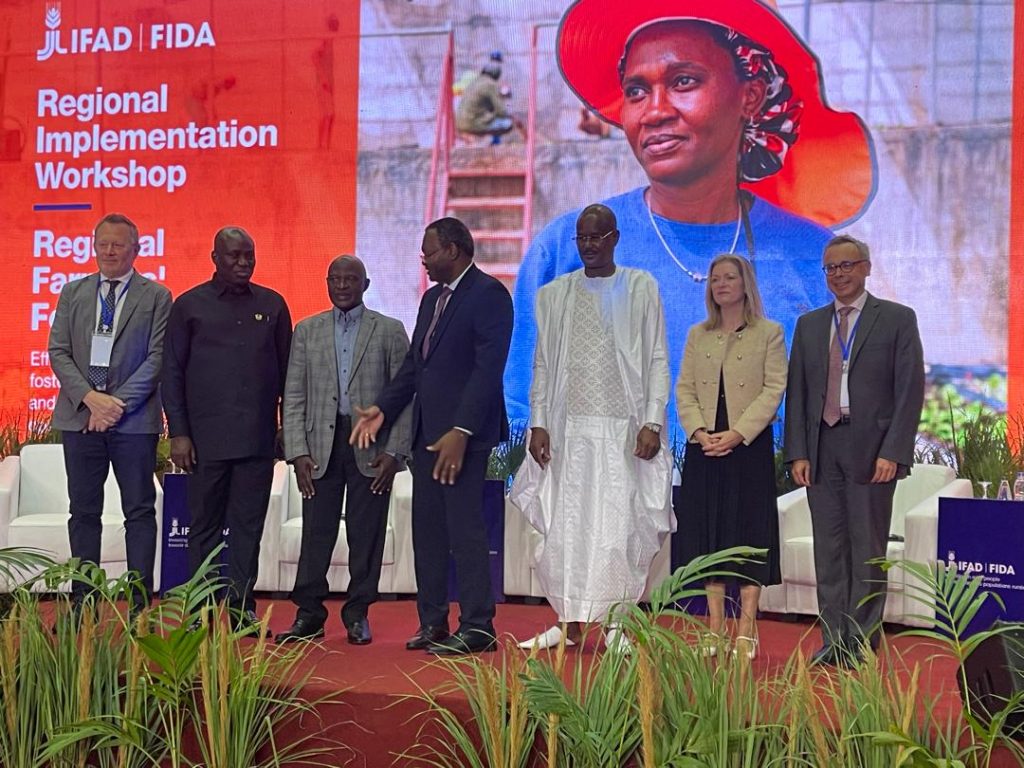
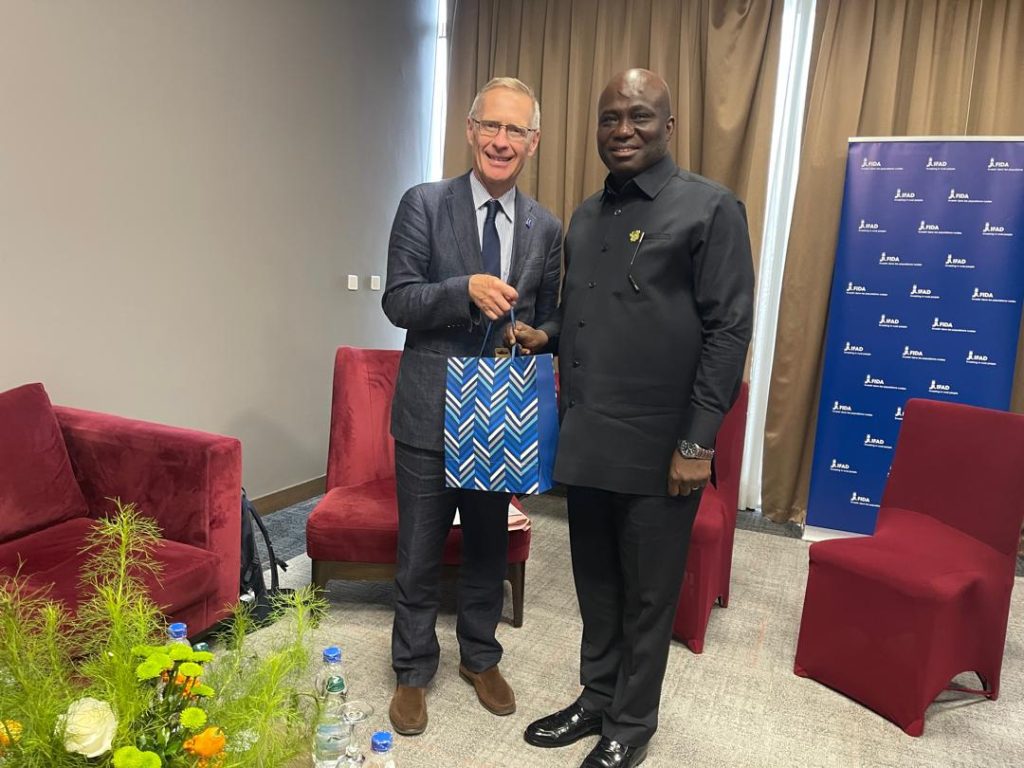
Speaking as Special Guest of Honour at the JLIFAD/FIDA Regional Implementation Workshop and Regional Farmers’ Forum in Abidjan, Côte d’Ivoire, Hon. Opoku joined fellow Ministers of Food and Agriculture, policymakers, development experts, and farmer organizations from West and Central African countries, including Nigeria, Mali, Burkina Faso, Senegal, Cameroon, Sierra Leone, and Côte d’Ivoire.
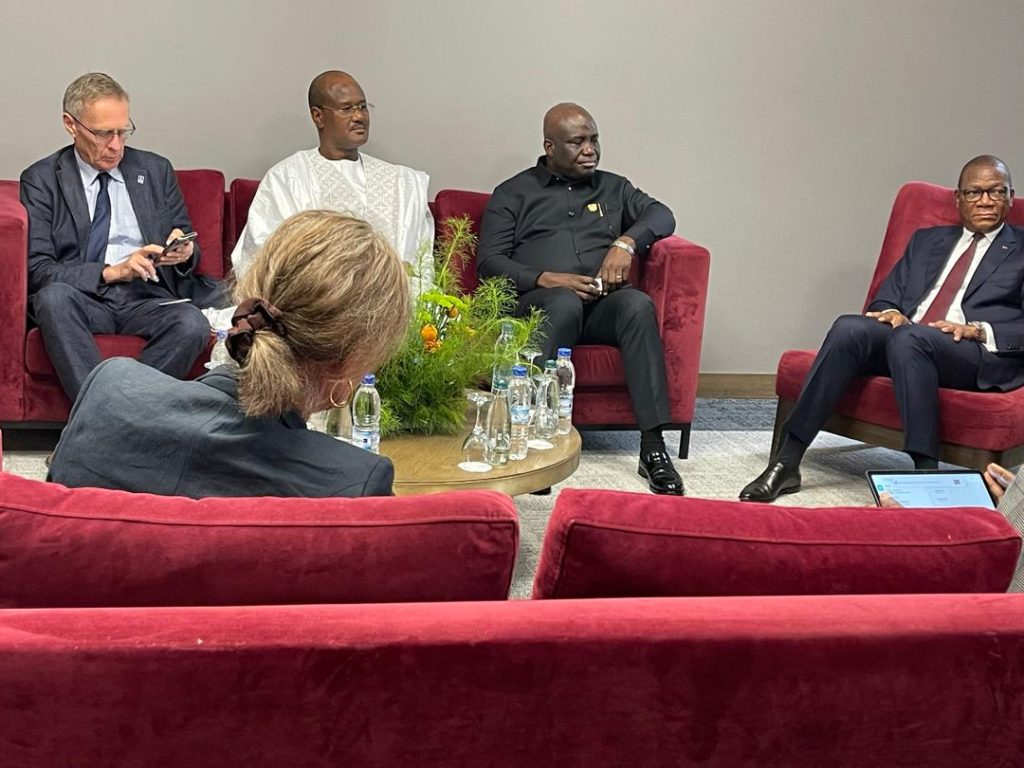
The forum was held under the theme: “Efficient Delivery, Fostering Innovation, and Scaling Up Operations for Greater Impact in West and Central Africa.”
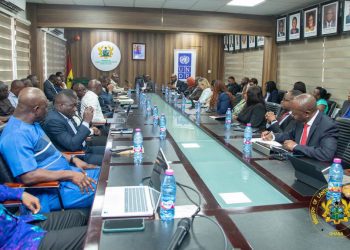
During a high-level panel discussion involving Ministers of Food and Agriculture, Hon. Opoku responded to questions regarding the contribution of the International Fund for Agricultural Development (IFAD) to Ghana’s agricultural sector and the rationale behind the government’s free fertilizer intervention for smallholder farmers.
He described Ghana’s partnership with IFAD as a model of successful rural development, highlighting the achievements of the Rural Enterprises Programme (REP).
According to the Minister, the programme helped establish a nationwide ecosystem for rural enterprise development by providing credit facilities, matching grants, and access to investment capital through partnerships with local financial institutions.
“Through this programme, thousands of rural entrepreneurs gained access to investment capital, enabling them to grow their businesses and create employment opportunities,” he said, adding that more than 200,000 households benefited from the initiative, with women constituting a significant proportion of beneficiaries.
Hon. Opoku also outlined the government’s efforts under the Feed Ghana Programme, which aims to strengthen food security and support agro-processing industries through increased local production.
He noted that post-harvest losses remain a major challenge, accounting for approximately 30 percent of agricultural produce and costing Ghana an estimated US$1.9 billion annually.
“The PROSPER Programme is complementing government efforts to improve production methods and post-harvest management in order to reduce these losses and increase productivity,” he stated.
The Minister further explained that the devastating droughts, floods, and other climate-related disasters experienced in 2023 and 2024 exposed vulnerabilities within Ghana’s food systems, prompting a shift from predominantly rain-fed agriculture to irrigation-based farming.
He revealed that the government is collaborating with the PROSPER Programme to expand irrigation infrastructure, particularly small-scale irrigation facilities targeting smallholder farmers, women, and rural youth.
Touching on proposals for solar-powered irrigation systems, Hon. Opoku welcomed the recommendations and expressed Ghana’s readiness to work with stakeholders to develop a sustainable and efficient irrigation strategy that aligns with the country’s agricultural transformation agenda.
Addressing concerns that the government’s free fertilizer distribution programme could conflict with market-based agricultural policies, the Minister clarified that the intervention was introduced as a temporary emergency measure rather than a permanent policy.
“Following the droughts, floods, and other disasters that affected our farmers, many lost their investments and livelihoods. Government had to provide an emergency cushion to support these farmers, stabilize food production, and help contain food inflation,” he explained.
He stressed that the programme was designed to help farmers recover from climate-related shocks and ensure continued food production.
Hon. Opoku further announced that the government is establishing Farmers’ Service Centres across the country to provide mechanization services, subsidized inputs, extension services, and other critical support to farmers.
According to him, these centres will strengthen farmer participation, improve productivity, and contribute to the modernization of Ghana’s agricultural sector.
He emphasized that effective policymaking requires continuous monitoring, evaluation, and adaptation to changing circumstances.
“Had government not intervened with emergency measures, food inflation would likely have continued to rise. Today, however, we are beginning to see positive results as inflationary pressures ease and agricultural production recovers,” he said.
The regional forum provided an opportunity for participating countries to share experiences, exchange innovative ideas, and strengthen partnerships aimed at accelerating agricultural transformation, improving food security, and enhancing rural livelihoods across West and Central Africa.