The Ministry of Energy and Green Transition has officially launched a Guided Framework for Private Sector Participation (PSP) in the nation’s electricity distribution sector, marking a critical step in its resolve to tackle persistent operational and financial challenges within the industry.
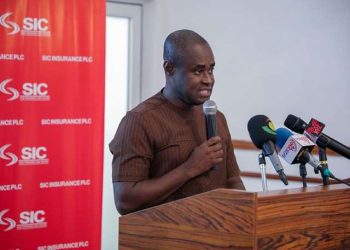
The announcement was delivered by Solomon Adjetey Sowah, Executive Director at the Ministry of Energy and Green Transition, speaking on behalf of the Minister, John Abu Jinapor, at a press briefing attended by development partners and stakeholders
Mr. Sowah explained the significance of the framework, stating that the occasion “marks a significant milestone in our collective efforts to strengthen electricity service delivery, improve operational efficiency, and secure a resilient and sustainable energy future for our country.”
The newly launched framework is designed to provide a clear and coherent structure for the PSP process. It defines the operational processes, roles, and responsibilities for the Technical Advisor and the PSP Implementation Unit. This unit will work closely with the sector’s main players, the Electricity Company of Ghana (ECG), the Northern Electricity Distribution Company (NEDCo), and relevant regulatory institutions.
He emphasized that the launch represents more than just a procedural exercise. According to him, “It reflects government’s firm resolve to transform the electricity distribution landscape through innovation, strategic collaboration, and responsible engagement with the private sector in the nation’s interest.”
Despite notable progress in recent years concerning expanded electricity access, increased generation capacity, and strengthened transmission reliability, the Executive Director acknowledged that the distribution sector continues to face long-standing obstacles. These challenges include high technical and commercial losses, inadequate investment, revenue shortfalls, and operational inefficiencies.
“These challenges continue to undermine the overall sector performance and must be addressed decisively,” he stated. The PSP initiative was, therefore, initiated against this backdrop with a clear objective: to attract technical expertise, operational efficiency, and capital investment while simultaneously “safeguarding national interest and ensuring value for money.”
Following Cabinet approval on April 17, 2025, for the reintroduction of private sector participation, the government established a PSP Steering Committee. This committee is supported by specialized financial, technical, and communications subgroups to ensure a transparent and evidence-driven process. The committee has since completed extensive preparatory work.
This work included detailed diagnostic assessments of both ECG and NEDCo, the evaluation of global PSP models and drawing lessons from comparable utilities, and international study tours and benchmarks from countries like Nigeria, Côte d’Ivoire, India, and the United States. Furthermore, the committee performed comprehensive financing, modelling, and legal analysis of potential partnership structures, which culminated in the design of a Ghana-specific approach tailored to the nation’s unique contexts, needs, and constraints.
Sowah briefly highlighted the core components of the Guiding Framework. The framework covers critical areas such as the chosen PSP model and scope of work, policy on asset ownership, guidelines on zoning and tariffs, the remuneration system for the private partner, and structures for governance and oversight, as well as essential regulatory and social safeguards.
He stated that the launch signals the government’s commitment to implementing structural reforms necessary for a modernized and financially viable power distribution network.