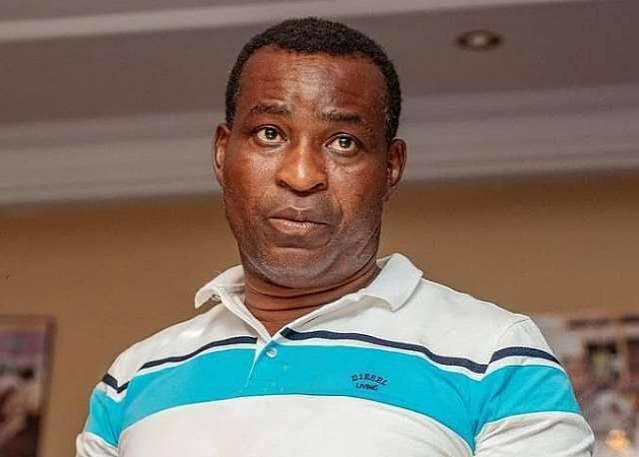
The High Court has sentenced Bernard Antwi Boasiako, popularly known as Chairman Wontumi, to a 20-year prison term after finding him guilty on two criminal counts under Ghana’s Minerals and Mining Act. The sentences will run concurrently, meaning he will serve a maximum of 20 years.
In addition to the custodial sentence, the court imposed a fine of 10,000 penalty units on Wontumi for each of the two offences. Akonta Mining Limited, the company linked to the case, was also convicted on two counts and fined 15,000 penalty units for each offence.
Justice Audrey Kocuvie-Tay ruled that the prosecution had successfully proved all the essential elements of the charges beyond reasonable doubt. Wontumi was convicted for unlawfully assigning mineral rights without the required ministerial approval and for deliberately facilitating illegal mining operations. Akonta Mining Limited was found guilty on corresponding corporate charges.
Before delivering judgment, the court dismissed an application filed by the defence seeking to postpone the ruling and refer constitutional questions to the Supreme Court. Justice Kocuvie-Tay held that the relevant provisions of the Minerals and Mining Act were clear and did not conflict with the 1992 Constitution, adding that constitutional referrals are only necessary where genuine ambiguity exists.
Addressing the unlawful assignment of mineral rights, the court found that Akonta Mining had allowed another individual to exercise rights under its mining lease without obtaining approval from the Minister responsible for Lands and Natural Resources. Evidence presented by the Minerals Commission confirmed that no such approval had been granted, a fact the defence did not dispute.
The court also rejected claims that Henry Okum’s involvement on the concession was limited to land reclamation. Instead, it accepted evidence showing that he was permitted to carry out mining activities and use the proceeds to finance reclamation work. Justice Kocuvie-Tay described the defence’s explanation that Okum would recover his investment through future coconut farming as an afterthought unsupported by the evidence.
Although companies are generally treated as separate legal entities, the judge ruled that the circumstances justified lifting Akonta Mining’s corporate veil. The court found that Wontumi exercised direct control over the company’s mining operations and therefore bore personal responsibility for the offences committed through the company.
On the charge of facilitating unlawful mining, the court held that Wontumi and Akonta Mining knowingly enabled illegal mining activities by granting access to the concession without the approvals required by law. Testimony presented during the trial also indicated that Wontumi connected Okum with an individual who assisted him in acquiring an excavator used in the mining operations.
The court dismissed additional defence arguments, including claims that the law should be interpreted more narrowly and that the absence of written agreements weakened the prosecution’s case. Justice Kocuvie-Tay ruled that informal arrangements could still amount to criminal conduct where the evidence established unlawful dealings.
The convictions were secured under the Minerals and Mining Act, 2006 (Act 703), as amended by the Minerals and Mining (Amendment) Act, 2020 (Act 995), which strengthened penalties for illegal mining-related offences.
Story By: Eric Boateng