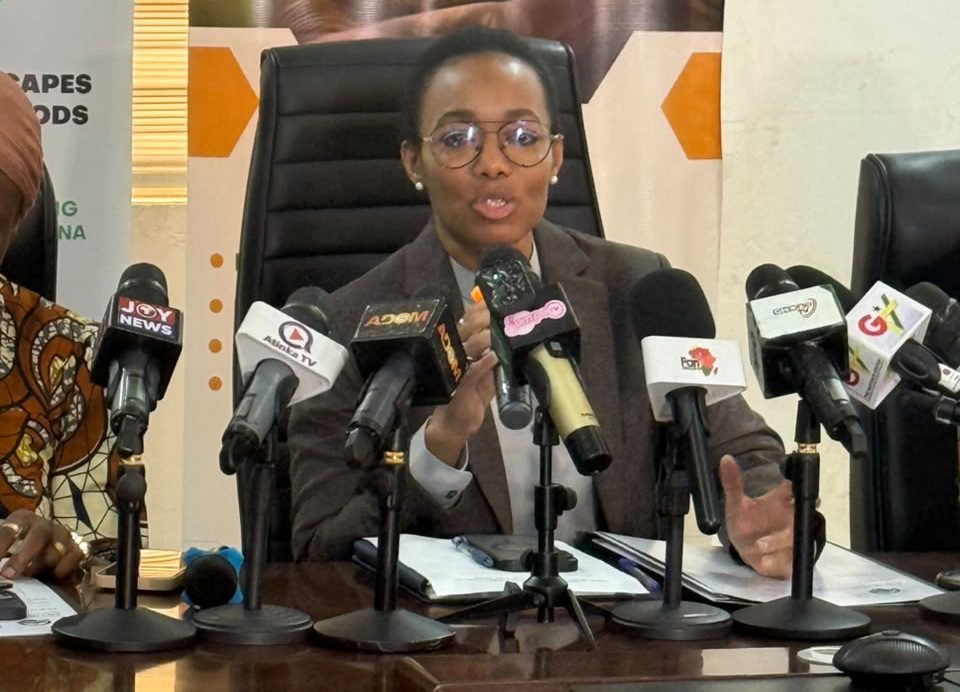
The Minister for Environment, Science and Technology, Dr. Zanetor Agyeman-Rawlings, has called for stronger collaboration among government institutions, citizens and stakeholders to address Ghana’s growing environmental challenges, stressing that environmental protection is a shared responsibility that cannot be left to regulatory agencies alone.
Speaking during a visit to the Environmental Protection Authority (EPA), the Minister said the fight against environmental degradation, pollution and illegal mining requires a coordinated national response that tackles the root causes of environmental destruction rather than merely addressing its effects.
According to her, the Constitution places responsibility on both government and citizens to safeguard the environment, making environmental protection a collective duty.
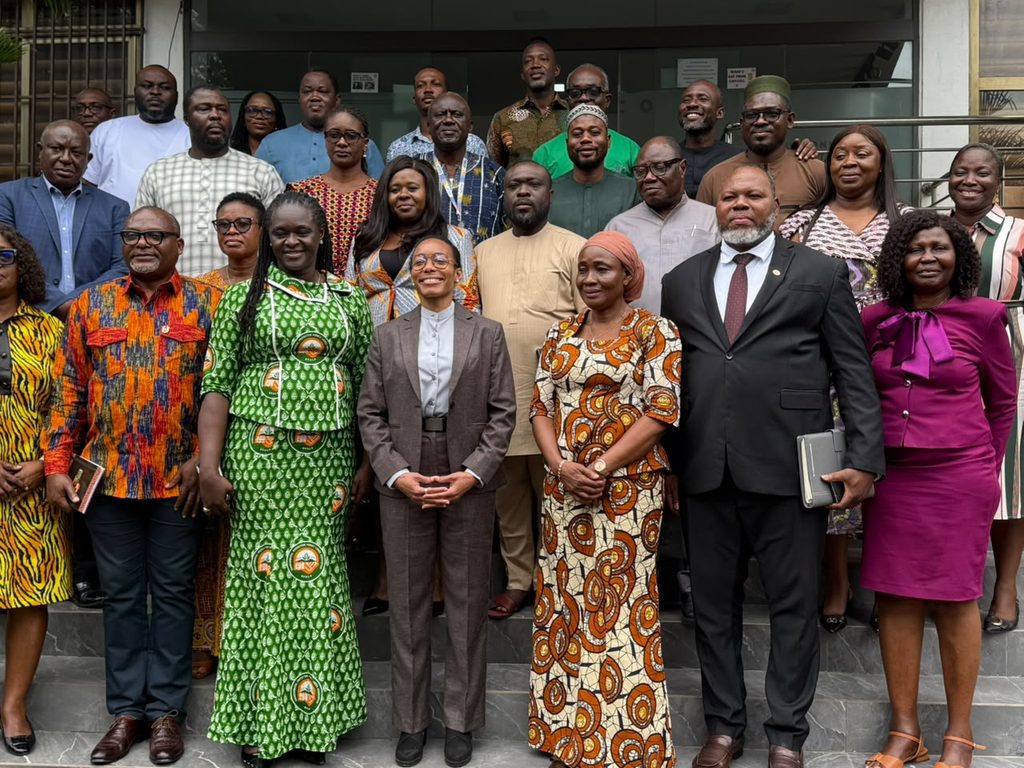
“The responsibility when it comes to what happens to our environment, the desecration of our natural environment, the overexploitation of our resources, the destruction of our water bodies and the poisoning of our water is a two-way street,” she said.
Dr. Agyeman-Rawlings expressed concern over the growing health implications of environmental pollution, particularly in communities exposed to harmful chemicals associated with illegal mining activities. She noted that increasing cases of maternal and child mortality, stillbirths, congenital deformities and renal failure have been linked to environmental contamination.
She warned that environmental damage in one part of the country can have far-reaching consequences elsewhere, stressing that polluted water sources and contaminated groundwater do not respect geographical boundaries.
The Minister described environmental degradation as a human rights issue, emphasizing that citizens have a right to a safe and healthy environment and that those who violate environmental laws must be held accountable.
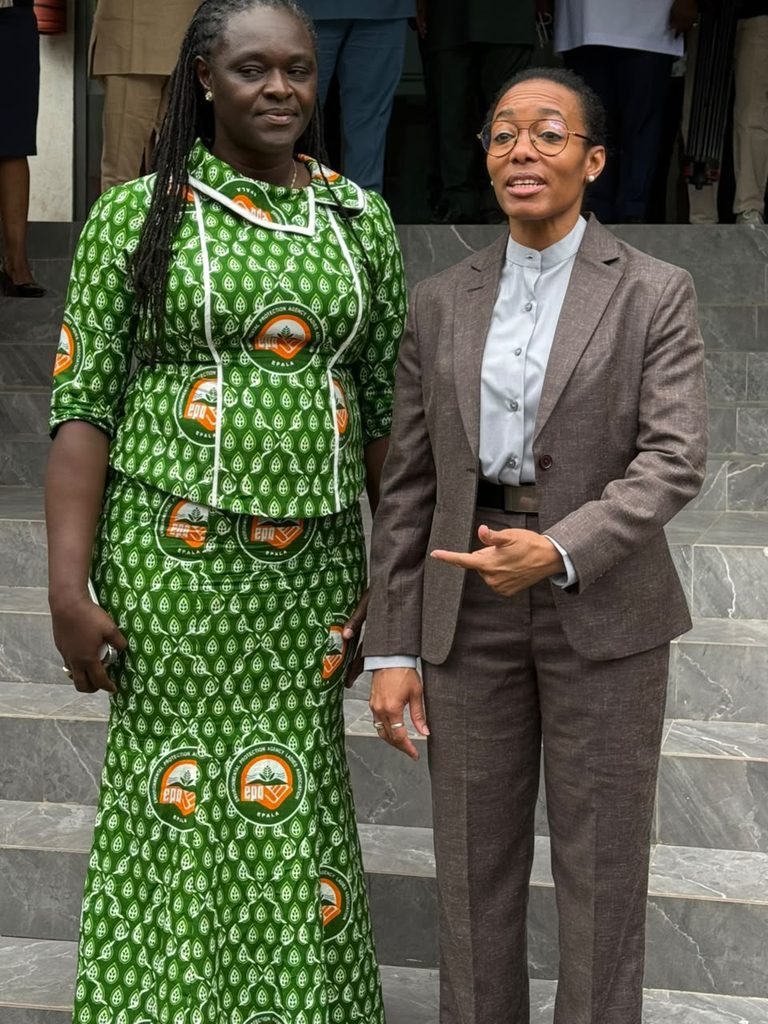
While commending the EPA for its efforts, Dr. Agyeman-Rawlings acknowledged public concerns about the Authority’s credibility and urged the institution to strengthen transparency, accountability and public engagement.
She said public trust in the EPA is critical to the successful execution of its mandate and encouraged the Authority to ensure that environmental laws are applied fairly and consistently without favouritism.
“If there is a law and it applies to one person, it must apply the same way to all,” she stated, adding that transparency in decision-making and enforcement would help restore confidence in the institution.
The Minister further called for greater public access to information on EPA activities, including enforcement actions, achievements and challenges, saying openness would help build public confidence and encourage citizen participation in environmental governance.
Dr. Agyeman-Rawlings also stressed the need for intensified public education campaigns and closer collaboration between the EPA and the National Commission for Civic Education (NCCE) to promote responsible environmental behaviour.
She noted that educating young people could have a multiplier effect on households and communities, helping to instill environmentally responsible practices across generations.
The Minister urged the EPA to expand its use of social media and other communication platforms to raise awareness on issues such as waste management, sanitation, open burning of refuse and pollution of drainage systems.
She expressed optimism that stronger cooperation between the Ministry and the EPA would help dispel perceptions of friction between the two institutions and improve the country’s environmental governance framework.
“We are all here to serve Ghana,” she said, assuring the Authority of the Ministry’s support in carrying out its mandate.
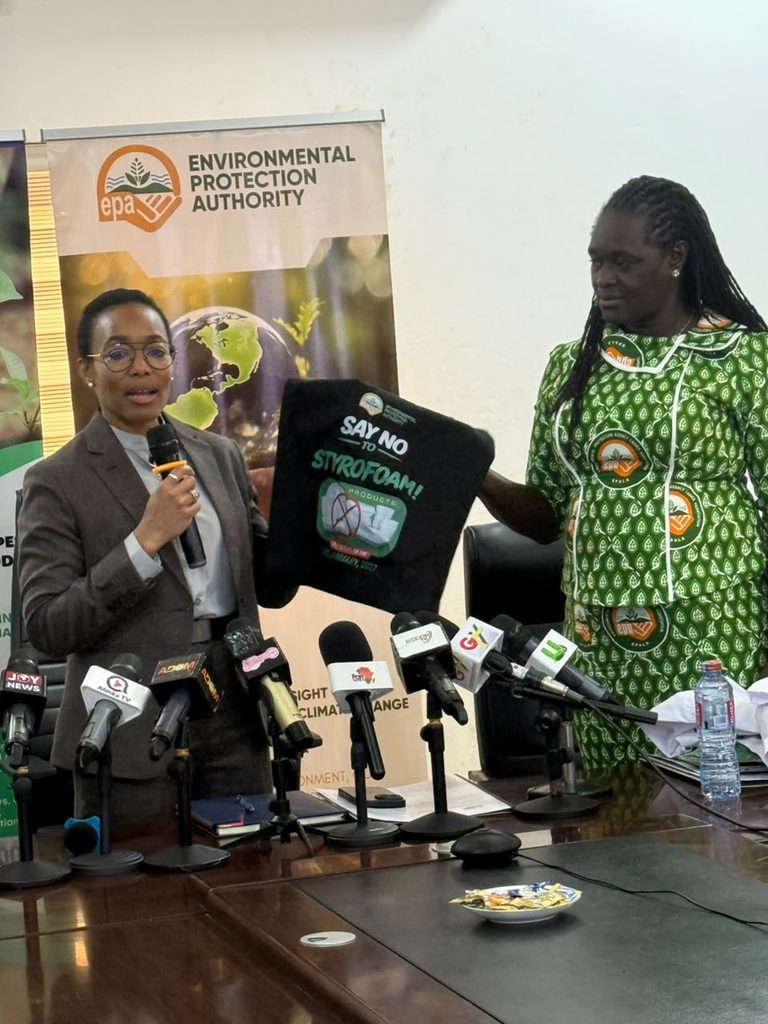
Dr. Agyeman-Rawlings also reiterated government’s commitment to reducing plastic pollution and advancing sustainable alternatives, expressing hope that Ghana would eventually transition away from single-use plastics.
She welcomed ongoing efforts toward the planned ban on Styrofoam products, expected to take effect in January, and called for intensified public awareness campaigns to ensure compliance before the implementation date.
The Minister said she looked forward to seeing more successful prosecutions and convictions of individuals involved in environmental offences, including illegal mining and pollution-related activities, as part of efforts to strengthen environmental law enforcement across the country.
She congratulated the EPA management and staff for their work so far and pledged continued collaboration between the Ministry and the Authority to safeguard Ghana’s environment for future generations.
This angle focuses on the Minister’s key messages: environmental accountability, illegal mining, public health impacts, transparency at the EPA, citizen responsibility, and the planned Styrofoam ban. It is suitable for political, environment, and governance reporting.
Story by Osman Issah Abadoo